ADDICTION | CALIFORNIA
Addiction is not a failure of character — it is a wound that has never been properly treated
For over 10 years, TrueMe® Counseling’s licensed therapists have helped individuals break free from substance abuse and addiction — addressing the pain beneath the pattern and rebuilding a life of genuine freedom. Book your free 20-minute consultation today.
WHAT IS ADDICTION?
Understanding addiction — and why is willpower never the real answer?
Addiction is one of the most misunderstood conditions in mental health. It is not a moral failing, a lack of discipline, or evidence that someone doesn’t care enough about their family, their career, or themselves. It is a complex, chronic condition with neurological, psychological, and often deeply traumatic roots — one that responds to judgment and shame the way a wound responds to salt.
Substance abuse typically begins as a solution — a way of managing pain, anxiety, trauma, loneliness, or an emotional experience that feels otherwise intolerable. The substance works, at first. It provides relief, connection, or a temporary escape from something that has felt inescapable. What changes over time is the cost. The brain rewires itself around the substance. The original pain remains — often amplified — and the dependency deepens.
At TrueMe, we treat addiction by addressing what it is actually protecting against. Lasting recovery doesn’t come from removing the substance. It comes from building something real enough to replace what the substance was providing. That is the work we do — and it changes lives.
"In over a decade of working with people struggling with substance abuse and addiction, the most consistent thing we've found is this: underneath every addiction is an unmet need. Our work is not to shame the behavior — it is to understand what the behavior has been trying to do, and to find a healthier way to meet that need."
— TrueMe® Counseling
"In over a decade of working with people struggling with substance abuse and addiction, the most consistent thing we've found is this: underneath every addiction is an unmet need. Our work is not to shame the behavior — it is to understand what the behavior has been trying to do, and to find a healthier way to meet that need."
— TrueMe® Counseling
OUR EXPERT THERAPISTS TREAT THESE TYPES OF ADDICTION
Addiction takes many forms — every one of them deserves clinical attention
Substance abuse and addiction don’t follow a single script. Over a decade of clinical work has shown us that addiction presents differently in every person — shaped by history, neurology, circumstance, and what the substance has been asked to do.

Alcohol Use Disorder
The most socially normalized — and one of the most clinically serious — forms of substance dependence. Often concealed by high functioning, professional success, or cultural acceptance.
Prescription Drug Dependency
Dependency that develops through legitimate medical use — opioids, benzodiazepines, stimulants — carrying its own unique shame, because it didn't begin with a choice to misuse.
Illicit Substance Use
Cocaine, methamphetamine, heroin, MDMA, or other illicit drugs — each with distinct neurological and psychological profiles, and each requiring a treatment approach matched to the individual, not the substance.
Cannabis Use Disorder
Frequently minimized — but clinically significant when daily use becomes the primary tool for managing anxiety, sleep, emotional pain, or simply getting through the day.
Co-Occurring Disorders
Substance abuse that develops alongside — or in response to — depression, anxiety, PTSD, bipolar disorder, or trauma. Treating only the addiction without addressing the underlying condition consistently produces relapse.
Process & Behavioral Addictions
Compulsive behaviors — gambling, sex, pornography, food, screens — that activate the same neurological reward pathways as substances, and require the same depth of clinical attention.
SIGNS YOU MAY NEED THERAPY
Most Common Addiction Symptoms
Addiction rarely stays contained to one area of life. It expands — quietly at first, then unmistakably — into relationships, health, work, and identity. Tap a category to explore common signs.
- Using substances to manage anxiety, depression, or emotional pain
- Obsessive thinking about when, where, and how to use next
- Deep shame and self-loathing — often intensified by failed attempts to stop
- Denial — genuinely believing the problem is not as serious as it is
- Mood swings, irritability, or emotional volatility between uses
- Increasing tolerance — needing more to achieve the same effect
- Feelings of hopelessness about the possibility of recovery
- Using substances alone, in secret, or at times you previously wouldn’t have
- Physical withdrawal symptoms when not using — nausea, sweating, shaking
- Chronic fatigue, sleep disruption, or inability to rest without substances
- Deteriorating physical health — weight changes, skin, immune function
- Blackouts, memory gaps, or periods of lost time
- Neglecting chronic health conditions as addiction takes priority
- Increased pain sensitivity or physical discomfort between uses
- Nutritional neglect — skipping meals, poor diet, dehydration
- Declining coordination, cognitive sharpness, or reaction time
- Repeated unsuccessful attempts to cut down or stop
- Continuing to use despite clear negative consequences
- Withdrawing from relationships, hobbies, and activities once valued
- Lying to loved ones about the extent of use
- Financial strain — spending beyond means to maintain the habit
- Declining performance at work, school, or in daily responsibilities
- Putting yourself or others at risk — driving impaired, neglecting children
- Building a social life entirely around substance use
You don't have to figure this out alone. Let's talk.
OUR CLINICAL APPROACH
How we treat you — and why it works
Most therapy fails because it’s generic. At TrueMe® Counseling, our licensed therapists use a structured, evidence-based framework built around your specific needs, history, and goals — not a one-size-fits-all program.Whether you’re across the street or across the state, we’re here — in person or virtually throughout California.
Understanding the Root of the Addiction
Addiction rarely begins with the substance or behavior itself. We take time to understand what's beneath it—whether it's trauma, chronic stress, anxiety, depression, grief, relationship difficulties, or unhealthy coping patterns. Treating the underlying causes, not just the addiction, creates the foundation for lasting recovery.
Identifying Triggers & Breaking the Cycle
Recovery isn't simply about saying "no." Together, we'll identify the situations, emotions, environments, and thought patterns that lead to cravings or relapse. By recognizing these patterns early, you can interrupt the cycle before it takes over and make healthier choices with greater confidence.
Replacing Unhealthy Coping with Healthier Strategies
Many addictions begin as attempts to manage emotional pain or life's challenges. Using evidence-based approaches such as Cognitive Behavioral Therapy (CBT), Motivational Interviewing (MI), and other clinically appropriate interventions, we help you develop healthier ways to manage stress, regulate emotions, and navigate difficult experiences without relying on substances or addictive behaviors.
Building Sustainable Recovery Skills
Long-term recovery requires more than willpower. We help you strengthen emotional regulation, improve decision-making, develop relapse prevention strategies, rebuild healthy routines, and restore supportive relationships—giving you practical skills you can use every day.
Personalized Treatment That Evolves With You
Every recovery journey is different. Your therapist creates an individualized treatment plan based on your history, goals, strengths, and current stage of recovery. As your needs change, your treatment evolves with you, ensuring each session remains purposeful and clinically focused.
Creating Long-Term Freedom, Not Dependence
Our goal isn't simply helping you stop an addictive behavior—it's helping you build a fulfilling life where addiction no longer controls your decisions. Through greater self-awareness, healthier coping skills, stronger relationships, and increased resilience, you'll leave therapy equipped to maintain progress and continue moving forward with confidence.
YOUR THERAPY JOURNEY
What to expect in therapy
Starting therapy can feel intimidating — especially when you’re already carrying so much. Here’s exactly what the process looks like, step by step.
Free consultation call
Before anything else, you’ll have a brief, no-pressure call to share what you’re going through and ask any questions you have. There’s no commitment — just a conversation to make sure we’re the right fit for you.
Your first session
Your first session is a relaxed, open conversation — not a test. Your therapist will take time to understand your history, your current experience, and what you’re hoping to achieve. Many clients leave their first session already feeling a sense of relief just from being heard.
A personalized plan
Your therapist will work with you to create a plan tailored specifically to your needs — not a generic program, but a personalized roadmap designed around your unique history, goals, and what you’re going through right now.
Ongoing sessions & real tools
Each session builds on the last. Using CBT and other evidence-based methods, your therapist will help you identify the thought patterns and behaviors holding you back — and equip you with practical tools you can use in real life between sessions.
Tracking your progress
Healing isn’t always linear — and your therapist knows that. Progress is regularly reviewed and your plan is adjusted as needed to ensure you’re always moving in the adirection at the right pace for you.
Life beyond therapy
The goal of therapy isn’t just symptom relief — it’s lasting transformation. You’ll finish therapy with a deeper understanding of yourself, a toolkit you carry for life, and the confidence to face whatever comes next.
Meet Our Therapists
TrueMe® Counseling is a team of licensed MFTs and PhDs with decades of combined clinical experience.
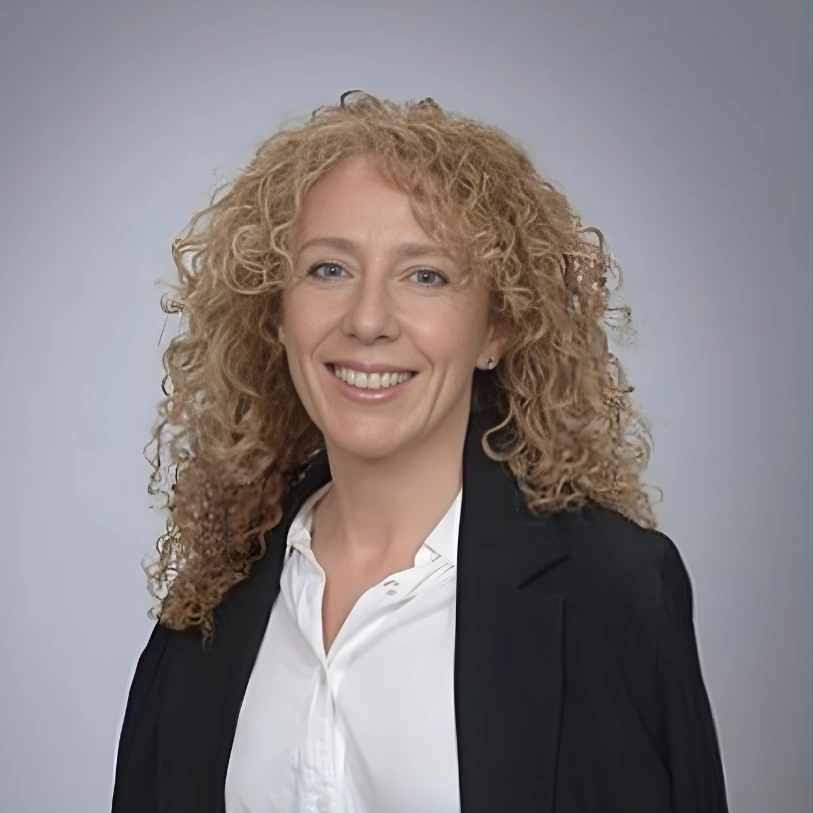
Marina Edelman
Founder | Licensed Marriage & Family Therapist #51009

Cheryl Baldi
Licensed Marriage & Family Therapist #39801

Dr. Rachel Chistyakov
Doctor of Psychology | Licensed Marriage & Family Therapist #150001
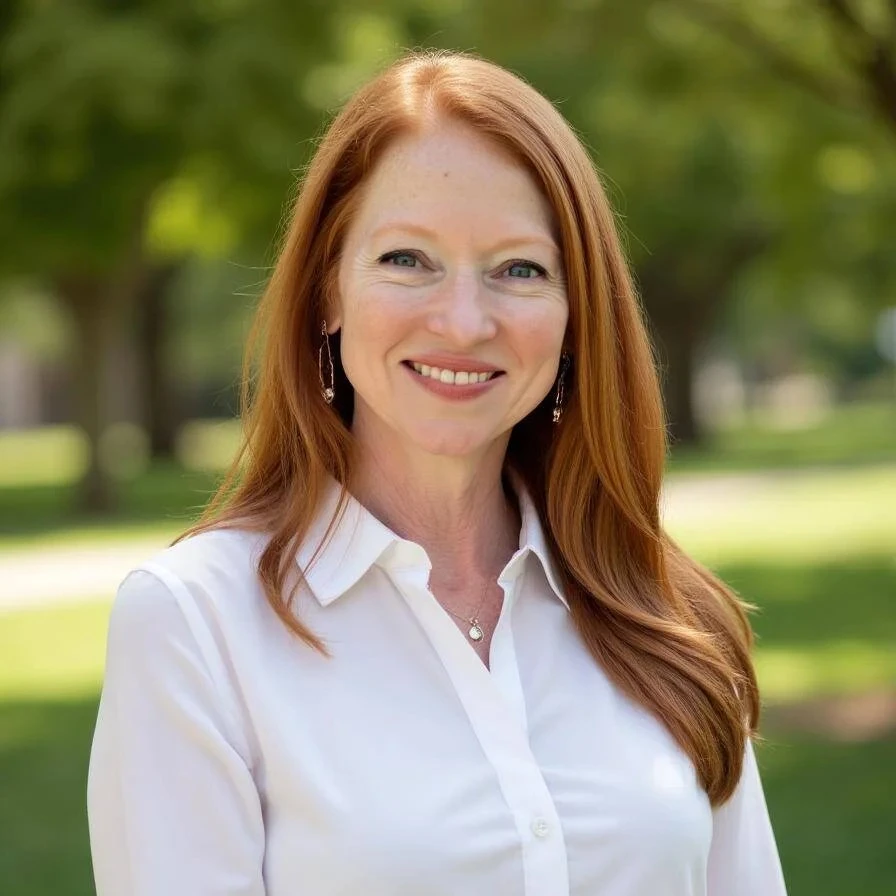
Sharalee Hall
Licensed Marriage & Family Therapist #135374
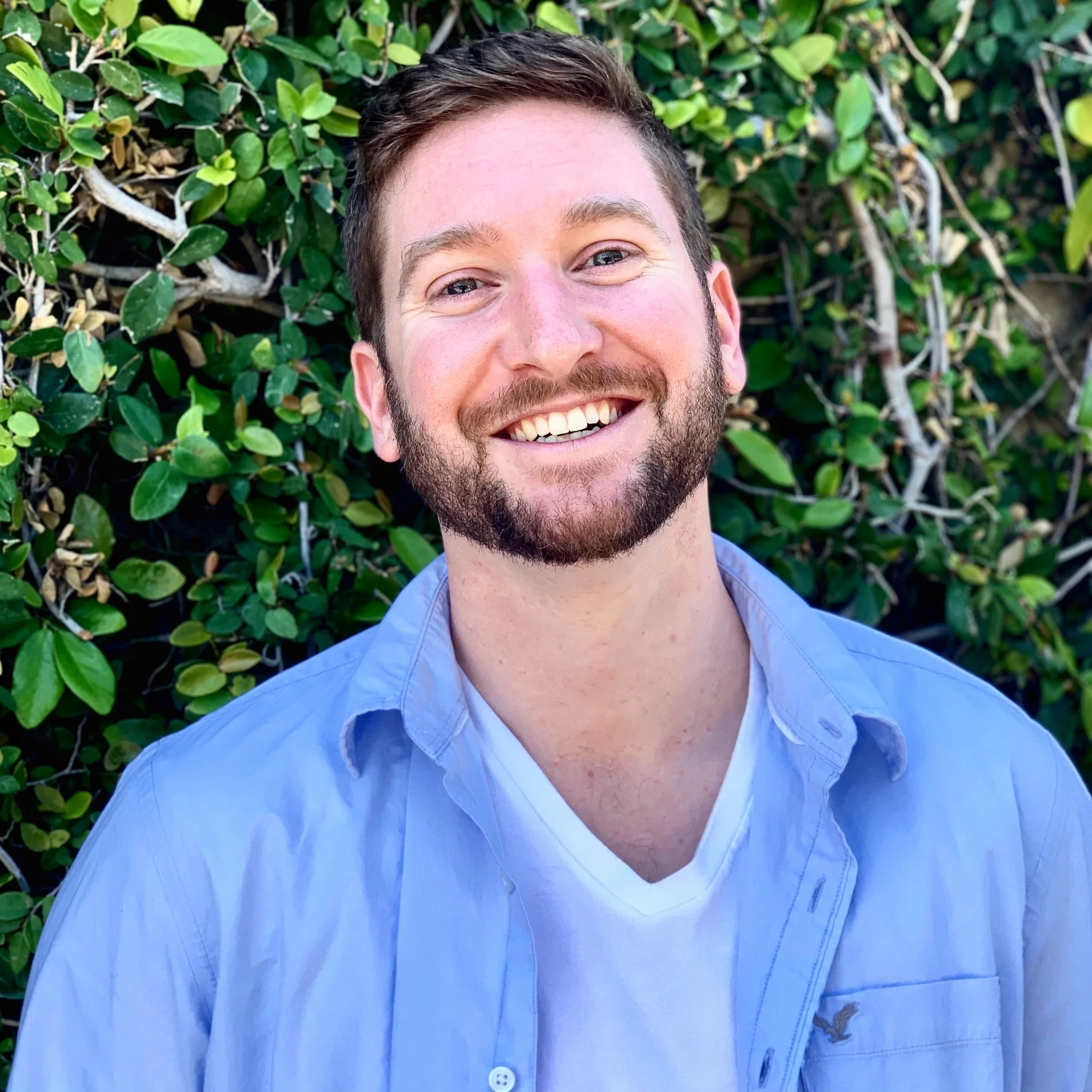
Chris Calandra
Licensed Marriage & Family Therapist #164783
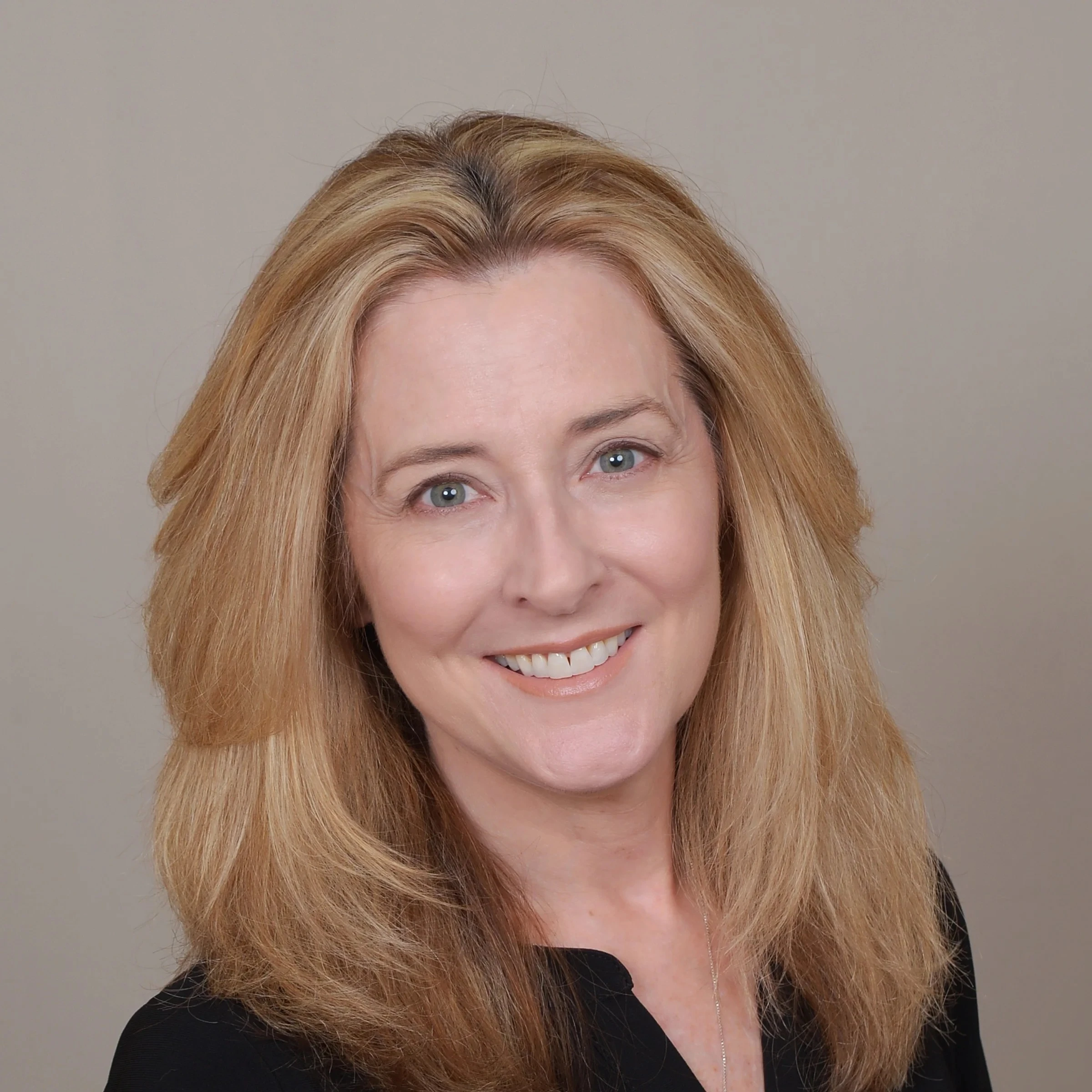
Suzanne Perry
Licensed Marriage & Family Therapist #163151
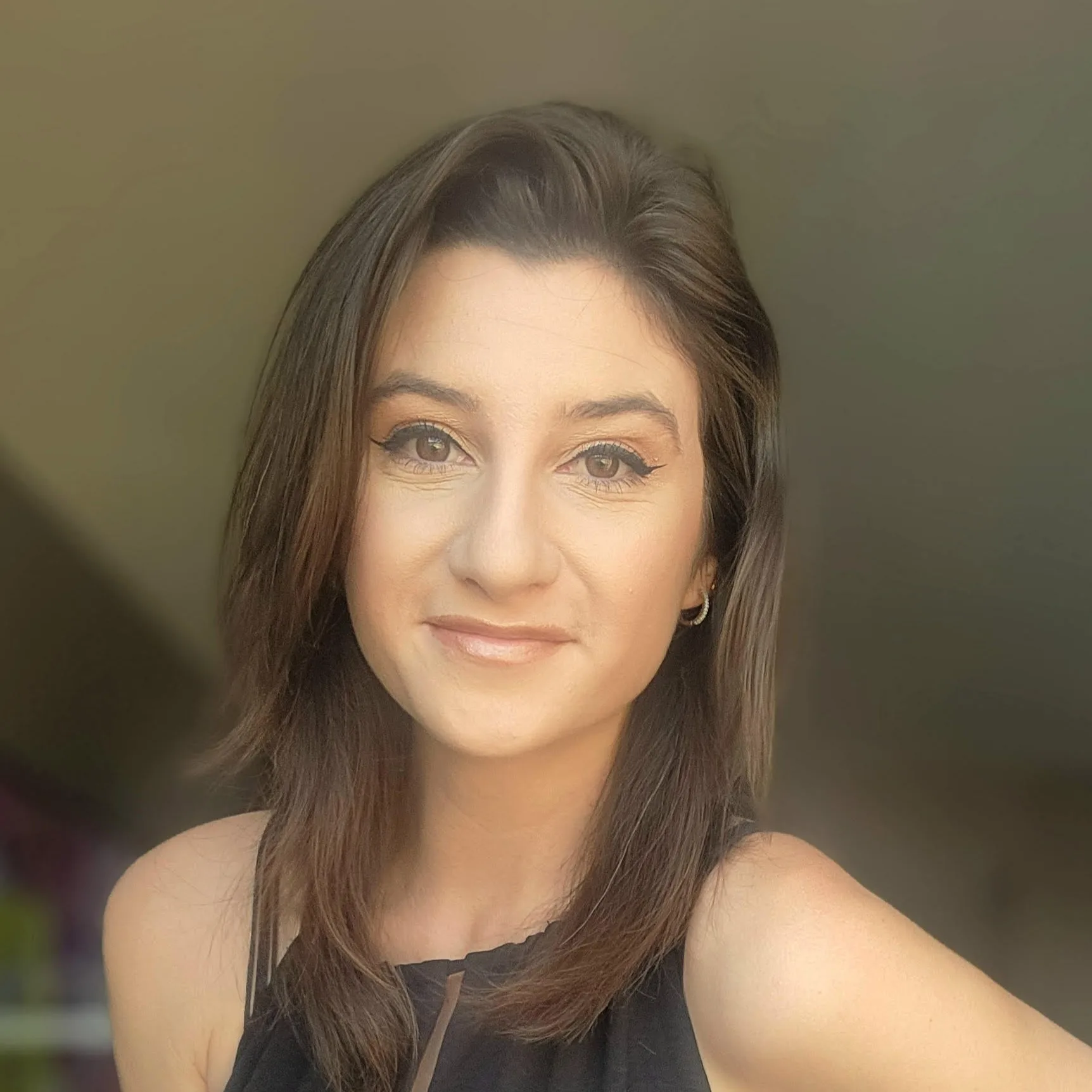
Hayley Willis
Licensed Marriage & Family Therapist #163642
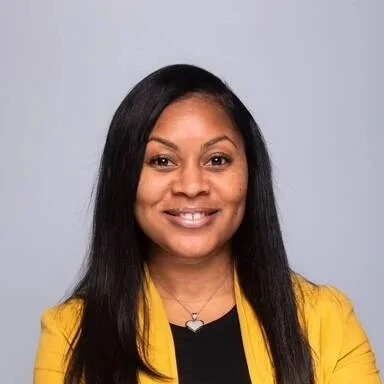
Jasmine Johnson
Associate Marriage & Family Therapist #137660
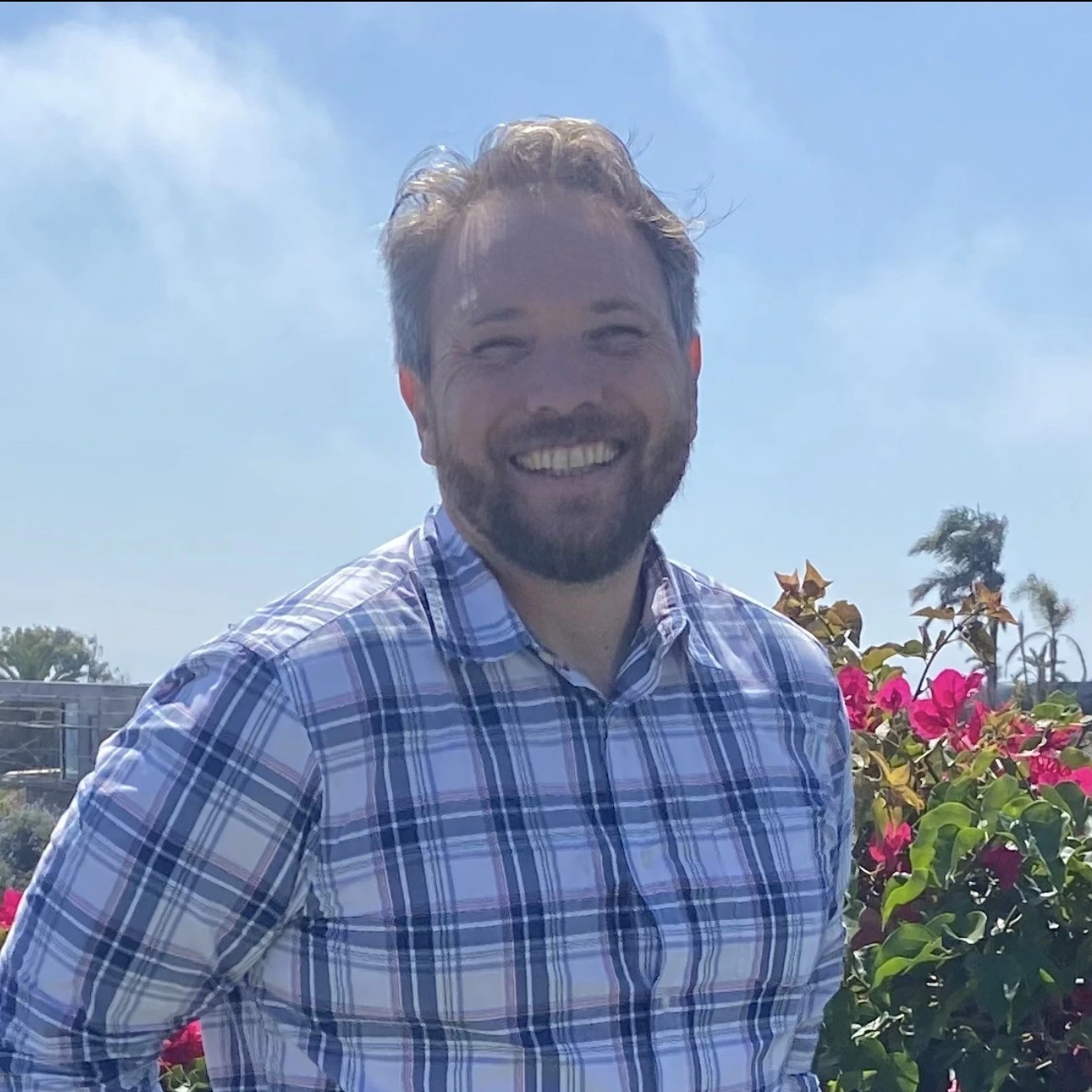
Sean Palmer
Associate Marriage & Family Therapist #161917
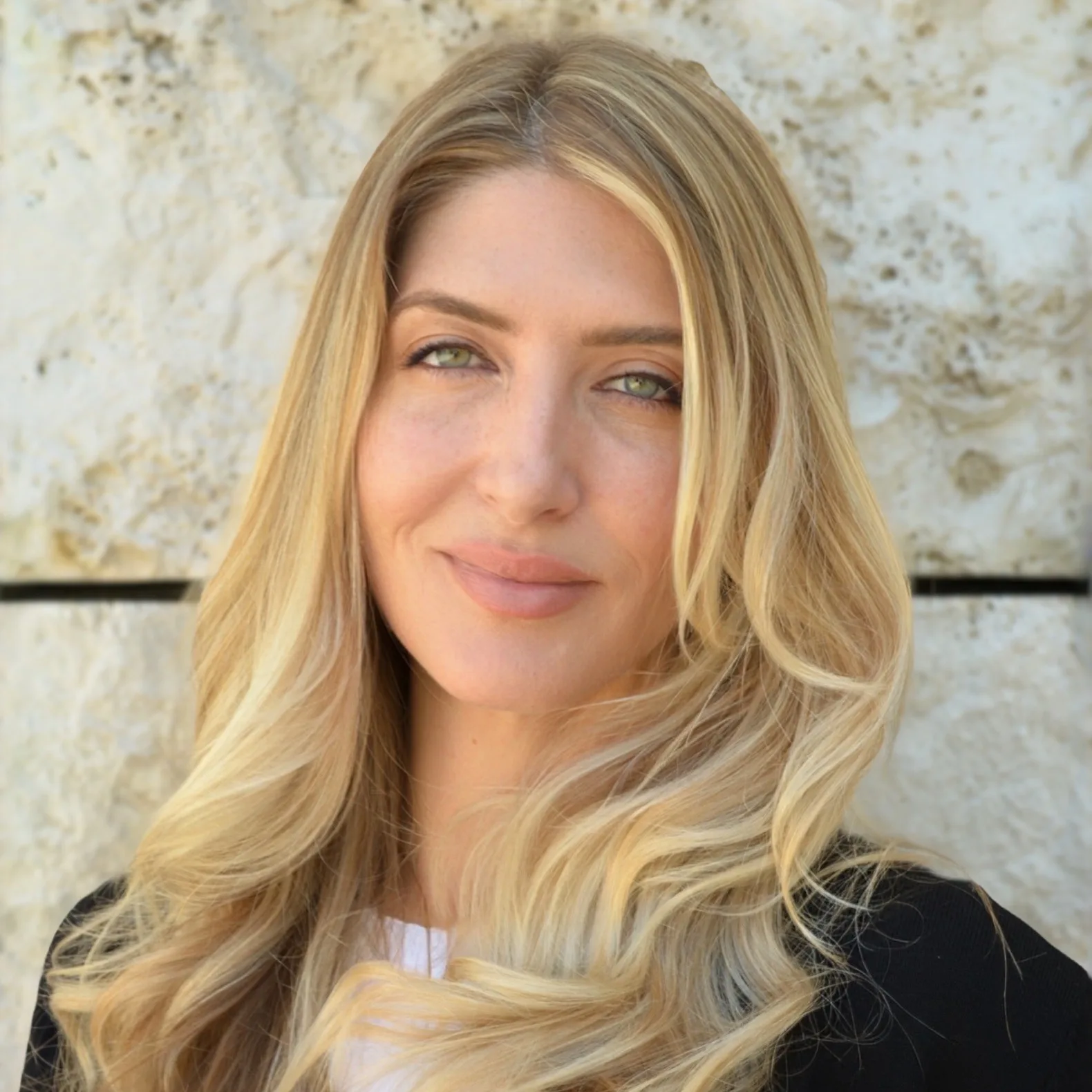
Ashleigh Abramovici
Associate Marriage & Family Therapist #155333
FAQ - ADDICTION
Frequently Asked Questions About Addiction?
Honest answers from our licensed therapists — before you take the first step.
1. What are the early signs of substance abuse and addiction?
This is one of the most important questions we help clients and their families sit with — because the earlier addiction is identified, the less it takes from a person’s life. The challenge is that early-stage substance abuse is extraordinarily good at disguising itself. It looks like stress relief. It looks like socializing. It looks like a well-earned reward at the end of a hard day. The line between use and abuse doesn’t announce itself — it shifts gradually, almost imperceptibly, until it doesn’t.
The early signs we watch for clinically include: using substances more frequently or in larger amounts than originally intended; finding that you need more of the substance to achieve the same effect; beginning to organize social activities, evenings, or weekends around opportunities to use; thinking about using before, during, or after events where it would be inappropriate; feeling irritable, anxious, or physically uncomfortable when you haven’t used; and making small but consistent exceptions to rules you’ve set for yourself — “just this once” becoming a pattern. Perhaps most telling of all: a growing discomfort when you honestly examine your relationship with the substance. That discomfort is information worth listening to.
2. How can you tell the difference between substance use and substance use addiction?
The difference is not primarily about quantity or frequency. It is about control, consequences, and compulsion.
Substance use becomes a use disorder when three things converge: the person has lost meaningful control over whether and how much they use — despite genuinely wanting to; the use is causing clear, ongoing negative consequences in their health, relationships, finances, or functioning — and they continue anyway; and the substance has become psychologically or physically necessary to feel normal, to cope, or to get through the day. A person can drink every day and not have a use disorder. A person can use substances infrequently and have one. What matters is not the calendar or the quantity — it is the relationship. If the substance is running the show — if it is making decisions that you, at your most honest, would not make — that is the clinical line. And that is where we step in.
3. What are the most effective treatment options for substance abuse and addiction?
After more than ten years of treating substance use disorders at TrueMe, what we know with clinical certainty is this: the most effective treatment is individualized, trauma-informed, and addresses the underlying drivers of addiction — not just the substance use itself. Programs that focus exclusively on behavior and willpower consistently produce worse outcomes than those that explore what the addiction has been trying to solve.
Our primary clinical framework is Cognitive Behavioral Therapy (CBT) — which identifies the thought patterns, emotional triggers, and situational cues that drive substance use and builds a concrete, realistic relapse prevention plan around them. For clients with trauma at the root of their addiction — which describes the majority of people we work with — EMDR is one of the most powerful tools available, processing the unresolved experiences that substances have been managing so that the neurological urgency to use diminishes at its source. We also use Motivational Interviewing to work with ambivalence rather than against it — because meeting people where they actually are in their readiness to change produces dramatically better outcomes than pressure or confrontation. And for clients with co-occurring mental health conditions — depression, anxiety, PTSD, bipolar disorder — we treat both conditions simultaneously, because leaving one untreated while addressing the other is one of the most reliable predictors of relapse we know of.
4. When should someone seek professional help for addiction?
Our answer to this, grounded in over a decade of clinical experience, is direct: before you think you need to. Addiction is one of the conditions where early intervention produces disproportionately better outcomes — not because the work is easier when the problem is smaller, but because the life consequences have had less time to accumulate, the neurological patterns are less deeply entrenched, and the identity reorganization required for recovery is less extensive.
The threshold for reaching out is lower than most people believe it needs to be. Seek professional support if: you have tried to stop or cut down and found that you couldn’t — even briefly, even with strong motivation. If substance use is affecting your health, your relationships, your work, or your financial stability. If you are using substances to manage emotional pain, anxiety, trauma, or depression that feels otherwise unmanageable. If people who love you have expressed concern — particularly if your first response was to minimize or defend. If you are using alone, in secret, or at times and in ways that would disturb you if others knew. Or if you are having any thoughts of self-harm. You do not need to have lost everything to deserve help. Recovery is significantly more accessible — and sustainable — when it begins before rock bottom.
5. How can therapy support long-term recovery and prevent relapse from addiction?
This is, in many ways, the most important question on this page — because getting sober is only the beginning. What determines whether recovery lasts is not the strength of a person’s willpower or the sincerity of their desire to change. It is the quality of the inner and outer life they build around sobriety. That is precisely what therapy provides — and why it is the single most effective long-term relapse prevention tool we have.
At TrueMe, long-term recovery work operates on several levels simultaneously. At the cognitive level, we help clients build a sophisticated, personalized understanding of their own relapse triggers — the emotional states, interpersonal situations, and environmental cues that increase vulnerability — so that high-risk moments can be anticipated and navigated rather than stumbled into. At the emotional level, we help clients develop genuine capacity to tolerate the feelings that previously drove them to use — grief, loneliness, shame, anxiety — without requiring a substance to make them manageable. At the identity level — which is where the deepest and most durable recovery work happens — we help clients reconstruct a sense of self that is not organized around addiction. Who are you without the substance? What do you value? What kind of life do you want to build? These are not philosophical questions. They are clinical ones — and the answers to them are what make recovery feel like something worth sustaining, rather than something you are merely enduring.