
ATTACHMENT DISORDER | CALIFORNIA
The way you learned to connect — or protect yourself from connection — is your attachment story, and it shapes every relationship you will ever have.
For over 10 years, TrueMe® Counseling’s therapists have helped individuals understand their attachment patterns, heal the early wounds that created them, and build the capacity for the safe, genuine connection they have always deserved. Book your free 20-minute consultation today.
WHAT IS ATTACHMENT DISORDER?
Understanding attachment disorder — and why does it reach so far into adult life?
Attachment is the foundational relational system through which every human being learns what to expect from connection. Developed in the earliest years of life through thousands of interactions with caregivers, attachment shapes the nervous system’s most basic answers to the most basic questions: Is the world safe? Are other people reliable? Am I worthy of love? When those answers are formed in environments of inconsistency, neglect, trauma, or unpredictable caregiving, the resulting attachment patterns follow a person across every significant relationship for the rest of their life.
Attachment disorders and insecure attachment styles are not personality flaws. They are adaptive responses — the nervous system’s best solution to an environment that could not provide what a developing child needed. The tragedy is that those solutions, so necessary in childhood, become the very patterns that make intimacy, trust, and stable connection so elusive in adulthood.
At TrueMe®, we treat attachment disorders by going to their source. We help clients understand, at both a cognitive and a felt level, how their early relational experiences shaped their nervous system — and we build the new relational experiences, within therapy and beyond it, that actually rewire it.
"The attachment patterns our clients carry into our offices were not chosen. They were learned — in environments where they were the most intelligent response available. Our work is not to judge those patterns or demand they disappear. It is to understand them so deeply that they no longer have to run the show."
— TrueMe® Counseling
"The attachment patterns our clients carry into our offices were not chosen. They were learned — in environments where they were the most intelligent response available. Our work is not to judge those patterns or demand they disappear. It is to understand them so deeply that they no longer have to run the show."
— TrueMe® Counseling
OUR EXPERT THERAPISTS TREAT THESE TYPES OF ATTACHMENT DISORDERS
Attachment disorder shows up differently in every person — and in every relationship
Insecure attachment is not a single experience. It presents across a spectrum — from the person who clings to connection in fear of abandonment, to the one who keeps everyone at arm’s length, to the one who can never quite decide which they want. Here are the most common presentations we treat at TrueMe®.

Anxious Attachment
A chronic fear of abandonment that drives hypervigilance in relationships — constantly reading for signs of rejection, seeking reassurance that never fully satisfies, and losing a sense of self in the pursuit of closeness.
Avoidant Attachment
A deeply learned self-sufficiency that keeps intimacy at arm's length — feeling suffocated by closeness, dismissing emotional needs as weakness, and withdrawing precisely when vulnerability is most needed.
Disorganized Attachment
The most complex presentation — where the source of comfort and the source of fear were the same person. Relationships simultaneously feel desperately needed and profoundly unsafe, producing patterns of approach and withdrawal that confuse both parties.
Reactive Attachment Disorder (RAD)
A clinical condition developing in early childhood following severe neglect or disrupted caregiving — characterized by an inability to form healthy emotional bonds, emotional dysregulation, and profound difficulties with trust and safety.
Attachment Trauma & Complex PTSD
When early relational trauma — chronic abuse, neglect, or unpredictable caregiving — produces a complex trauma response that pervades identity, emotional regulation, and the fundamental capacity to feel safe in connection.
Attachment Issues in Adult Relationships
Insecure attachment patterns playing out in romantic partnerships, friendships, and professional relationships — repeating dynamics that feel familiar but consistently prevent the depth of connection being sought.
SIGNS YOU MAY NEED THERAPY
Most Common Attachment Disorder Symptoms
Attachment disorder doesn’t only show up in romantic relationships. It permeates how you relate to yourself, how you function under stress, and how safe you feel in the world. Tap a category to explore common signs.
- Intense fear of abandonment — real or imagined
- Difficulty trusting others, even those who have consistently shown up
- Feeling either suffocated by closeness or terrified of distance
- Repeating the same painful relational patterns across different relationships
- Pushing people away when they get too close — then desperately wanting them back
- Seeking constant reassurance that never fully resolves the underlying anxiety
- Difficulty maintaining friendships or relationships over the long term
- Feeling fundamentally unknowable or unlovable to others
- Intense emotional reactions to perceived rejection or disconnection
- Chronic emotional dysregulation — feelings that escalate faster than they can be managed
- Difficulty identifying, naming, or expressing emotional needs
- Deep shame around having needs at all — believing needs make you a burden
- Emotional numbness or dissociation in moments of intimacy or vulnerability
- Pervasive loneliness — even in the presence of people who care
- Anxiety that spikes specifically in relational contexts — not in isolation
- A core belief that you are fundamentally different from — or less than — others
- Compulsive self-reliance — refusing help even when genuinely needed
- People-pleasing to prevent abandonment or conflict
- Testing relationships — to see if people will stay when pushed
- Withdrawing emotionally before others can leave first
- Oversharing immediately or withholding entirely — difficulty with relational pacing
- Choosing emotionally unavailable partners — recreating familiar dynamics
- Difficulty ending relationships even when they are clearly harmful
- Self-sabotaging connections that feel too good, too safe, or too different from what feels familiar
You don't have to figure this out alone. Let's talk.
OUR CLINICAL APPROACH
How we treat you — and why it works
Most therapy fails because it’s generic. At TrueMe® Counseling, our therapists use a structured, evidence-based framework built around your specific needs, history, and goals — not a one-size-fits-all program. Whether you’re across the street or across the state, we’re here — in person or virtually throughout California.
Understanding Your Attachment Patterns
The ways we connect with others are often shaped by our earliest relationships. We begin by exploring how your past experiences may be influencing your current relationships, emotional responses, trust, boundaries, and sense of security. Understanding these patterns helps us treat the source of the struggle—not just the symptoms.
Recognizing Relationship Cycles
Attachment wounds often show up in recurring patterns—fear of abandonment, difficulty trusting others, emotional withdrawal, people-pleasing, or feeling anxious in close relationships. Together, we'll identify these cycles so you can recognize them as they happen and begin responding differently.
Building Healthier Ways of Connecting
Healing attachment wounds requires more than insight. Using evidence-based approaches such as Attachment-Based Therapy, Emotionally Focused Therapy (EFT), Cognitive Behavioral Therapy (CBT), and other clinically appropriate interventions, we help you develop healthier beliefs about yourself and others while strengthening emotional regulation, communication, and relationship skills.
Creating Emotional Safety
Lasting change happens when you experience relationships differently. Therapy provides a consistent, supportive environment where you can safely explore difficult emotions, increase self-awareness, strengthen boundaries, and develop greater comfort with vulnerability and healthy connection.
A Personalized Path to Healing
Attachment experiences are deeply personal, which is why your treatment is never one-size-fits-all. Your therapist develops an individualized treatment plan based on your history, current relationships, goals, and pace. As you grow, your treatment evolves to support the progress you're making.
Building Secure Relationships That Last
Our goal is not simply to reduce relationship distress—it's to help you build a more secure way of relating to yourself and others. By the end of therapy, you'll have greater confidence in your relationships, healthier communication patterns, stronger emotional resilience, and practical tools to create and maintain meaningful, secure connections throughout your life.
YOUR THERAPY JOURNEY
What to expect in therapy
Starting therapy can feel intimidating — especially when you’re already carrying so much. Here’s exactly what the process looks like, step by step.
Free consultation call
Before anything else, you’ll have a brief, no-pressure call to share what you’re going through and ask any questions you have. There’s no commitment — just a conversation to make sure we’re the right fit for you.
Your first session
Your first session is a relaxed, open conversation — not a test. Your therapist will take time to understand your history, your current experience, and what you’re hoping to achieve. Many clients leave their first session already feeling a sense of relief just from being heard.
A personalized plan
Your therapist will work with you to create a plan tailored specifically to your needs — not a generic program, but a personalized roadmap designed around your unique history, goals, and what you’re going through right now.
Ongoing sessions & real tools
Each session builds on the last. Using CBT and other evidence-based methods, your therapist will help you identify the thought patterns and behaviors holding you back — and equip you with practical tools you can use in real life between sessions.
Tracking your progress
Healing isn’t always linear — and your therapist knows that. Progress is regularly reviewed and your plan is adjusted as needed to ensure you’re always moving in the adirection at the right pace for you.
Life beyond therapy
The goal of therapy isn’t just symptom relief — it’s lasting transformation. You’ll finish therapy with a deeper understanding of yourself, a toolkit you carry for life, and the confidence to face whatever comes next.
Meet Our Therapists
TrueMe® Counseling is a team of licensed MFTs and PhDs with decades of combined clinical experience.

Marina Edelman
Founder | Licensed Marriage & Family Therapist #51009

Cheryl Baldi
Licensed Marriage & Family Therapist #39801

Dr. Rachel Chistyakov
Doctor of Psychology | Licensed Marriage & Family Therapist #150001

Sharalee Hall
Licensed Marriage & Family Therapist #135374

Chris Calandra
Licensed Marriage & Family Therapist #164783

Suzanne Perry
Licensed Marriage & Family Therapist #163151

Hayley Willis
Licensed Marriage & Family Therapist #163642

Jasmine Johnson
Associate Marriage & Family Therapist #137660

Sean Palmer
Associate Marriage & Family Therapist #161917
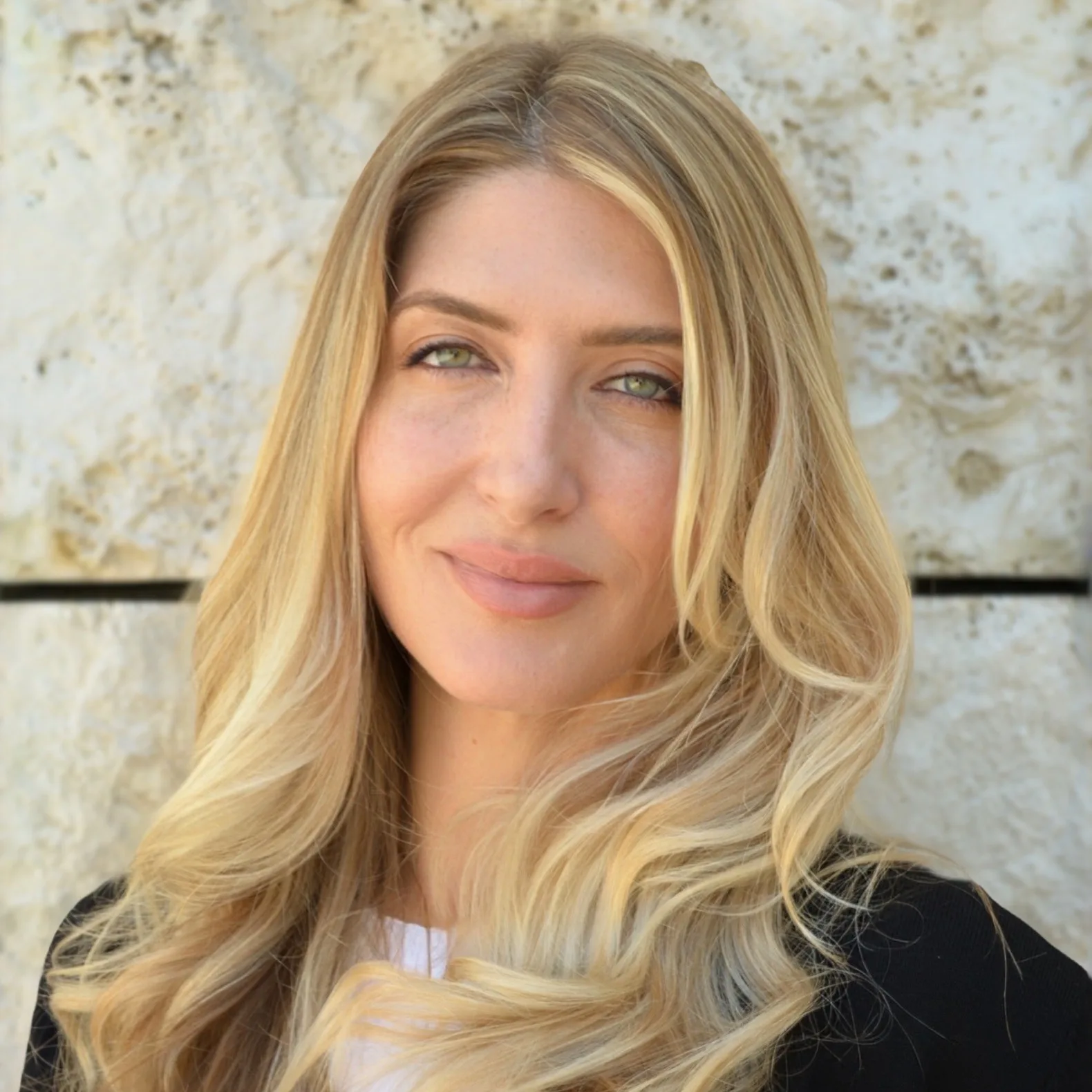
Ashleigh Abramovici
Associate Marriage & Family Therapist #155333
FAQ - ATTACHMENT DISORDER
Frequently Asked Questions About Attachment Disorder
Honest answers from our licensed therapists — before you take the first step
1. What is attachment disorder and how does it develop in children and adults?
Attachment disorder is, at its core, a disruption in the foundational relational blueprint that forms in the earliest years of life. From the moment of birth, the human nervous system is primed to seek connection — to look for a caregiver who is consistently responsive, emotionally attuned, and reliably present. When that caregiver is available and attuned, the child’s developing brain learns something profoundly important: the world is safe, other people are trustworthy, and I am worthy of love. That learning becomes the template for every significant relationship that follows.
Attachment disorder develops when that template is formed in an environment that cannot deliver what the nervous system requires. This does not always mean abuse or dramatic neglect. A caregiver who is physically present but emotionally unavailable, one whose responses are unpredictable or frightening, one whose own unresolved trauma makes consistent attunement impossible — all of these are sufficient to produce insecure or disordered attachment in a developing child. The child adapts. They learn to suppress their needs, to become hypervigilant for signs of rejection, or to approach closeness with the simultaneous urgency of someone starving and the terror of someone who has been burned.
In adults, attachment disorder does not disappear — it evolves. The strategies that helped a child survive an inconsistent caregiving environment become the very patterns that make adult intimacy so difficult. The person who learned to need no one struggles to let anyone in. The person who learned that love requires constant pursuit cannot rest in relationships that are genuinely stable. Understanding how your attachment pattern developed — and why it made perfect sense at the time — is the beginning of changing it.
2. What are the common signs and symptoms of attachment disorders?
The signs of attachment disorder are most visible at the intersection of closeness and threat — in the moments when connection is available and the nervous system, trained by early experience, responds as if danger is present. In children, signs include difficulty accepting comfort from caregivers, indiscriminate affection toward strangers, persistent emotional dysregulation, and a seeming inability to form the selective, preferential bonds that mark healthy development.
In adults — which is the majority of the clinical population we work with — the presentation is more nuanced but no less significant. The most consistent signs include: a chronic pattern of relational instability that persists across different partners, friendships, and contexts; an intense, often disproportionate fear of abandonment or engulfment; difficulty tolerating the ordinary fluctuations of closeness and distance that all relationships involve; persistent emotional dysregulation in relational contexts specifically; and a quietly held, rarely examined conviction that genuine, lasting love is either not available or not deserved.
We also see significant variations by attachment style. Anxiously attached adults tend to present with hyperactivation — constant monitoring for relational threat, reassurance-seeking that never fully settles the anxiety, and an agonizing loss of self in the pursuit of closeness. Avoidantly attached adults tend to present with deactivation — a learned dismissiveness of emotional needs, discomfort with vulnerability, and a self-sufficiency that looks like strength but functions as a defense. And disorganized attachment — the most complex presentation — produces both simultaneously: a desperate need for connection and a profound terror of it, often in the same moment, toward the same person.
3. How does attachment disorder affect relationships and emotional regulation?
This is one of the most important questions we explore with clients — because the impact of attachment disorder extends far beyond the obvious domain of romantic relationships. It shapes how you relate to friends, colleagues, authority figures, and — with particular intensity — how you relate to yourself. The internal working models formed in early attachment experience don’t just govern your behavior with others. They govern your internal relationship with your own needs, emotions, and sense of worth.
In relationships, the impact is pervasive and often bewildering. People with insecure attachment frequently describe feeling trapped between what they want and what they do. They want closeness and withdraw from it. They want independence and panic at distance. They choose partners who confirm their deepest fears about love — not because they lack intelligence or self-awareness, but because familiarity registers as safety to the nervous system, even when familiar means painful. The patterns repeat not out of passivity or masochism, but because the relational blueprint is running beneath conscious awareness, selecting for what it already knows.
The emotional regulation impact is equally significant. Secure attachment provides the nervous system with an internal co-regulator — the internalized experience of a consistently soothing caregiver that allows the adult to self-soothe effectively during distress. When that internalization never fully formed, emotional regulation remains dependent on external sources — on reassurance, approval, or the presence of others — in ways that make autonomy feel impossible and relationships feel load-bearing in ways they cannot sustain. This is not weakness. It is the predictable outcome of a developmental experience that did not provide what the nervous system needed. And it is directly addressable in therapy.
4. What are the most effective treatment options for attachment disorders?
After more than a decade of specializing in attachment-related presentations, the most important thing we can tell you about treating attachment disorder is this: the treatment modality matters less than the quality of the therapeutic relationship in which it is delivered. Attachment disorder was created in relationship. It heals in relationship. The therapist’s consistent attunement, reliability, and genuine emotional presence are not just the context for the work — they are, in a very real neurological sense, part of the medicine itself.
Within that relational framework, the approaches that produce the deepest and most lasting change include EMDR — which is uniquely effective for the early, often pre-verbal attachment experiences that standard talk therapy cannot fully reach. By processing the sensory and emotional memories encoded before language was available, EMDR reduces the neurological charge these experiences carry and the relational beliefs they sustain. AEDP — Accelerated Experiential Dynamic Psychotherapy — is particularly well-suited to attachment work because its entire model is organized around transformational relational experience. Through deeply attuned therapeutic encounters, clients develop what attachment researchers call “earned security” — the lived, felt experience of being genuinely seen, held, and valued in a relationship. For many of our clients, this is the first time that experience has been available to them.
We complement these experiential approaches with CBT-based schema work — systematically examining and challenging the core relational beliefs that early attachment experiences produced: “I am too much,” “people always leave,” “needing others is dangerous.” And throughout, we work on nervous system regulation — because the body must learn to tolerate what the mind already wants, and that learning is gradual, patient, and requires consistent clinical support.
5. When should someone seek professional help for attachment-related issues?
When the pattern has become more recognizable than it is deniable. That is our honest clinical answer — and it is grounded in over a decade of working with people who came to us at every stage of this struggle, from the earliest glimmers of awareness to decades of accumulated relational pain. The moment you can see the pattern clearly enough to name it is the moment therapy becomes most accessible and most powerful.
More specifically, we encourage reaching out when: the same relational story keeps repeating — different people, different circumstances, the same essential ending — and you have begun to recognize that the common denominator is not your partners or your circumstances, but something internal that you don’t yet know how to change. When intimacy consistently produces anxiety rather than safety — either the anxiety of needing too much or the anxiety of being needed. When loneliness has become a chronic condition rather than a circumstantial one. When you recognize yourself in the descriptions of anxious, avoidant, or disorganized attachment and have tried — through awareness, through reading, through genuine intention — to respond differently, only to find that in the moment that matters most, the old pattern takes over.
We also want to say something that is rarely said clearly enough: you do not need a diagnosis or a dramatic history to benefit from attachment-focused therapy. If relationships consistently feel harder than they should — if closeness feels dangerous, if distance feels intolerable, if the love you want keeps slipping through your hands in ways you can’t fully explain — that is enough. That is precisely what we are here for. Attachment patterns are among the most resistant to change through willpower and self-awareness alone. They require a different kind of experience — relational, felt, and sustained over time. That is what we offer at TrueMe®.