
NEURODIVERGENCE | CALIFORNIA
A brain that works differently is not a broken brain — it is a brain shaped by neurodivergence that deserves different, more attuned support.
For over 10 years, TrueMe® Counseling’s therapists have helped neurodivergent individuals understand how their minds work, navigate a world not designed for neurodivergence, and build a life that fits who they actually are — not who they’ve been told they should be. Book your free 20-minute consultation today.
WHAT IS NEURODIVERGENCE?
Understanding neurodivergence — and why does it so often go unrecognized until adulthood?
Neurodivergence refers to neurological development that diverges from what society has established as the typical or expected pattern. It is not a disease, a deficit, or a collection of flaws — it is a different configuration of brain wiring that brings with it a genuinely different way of processing information, experiencing sensory input, regulating emotion, attending to the world, and relating to others.
The reason so many neurodivergent individuals reach adulthood without ever receiving an accurate understanding of how their mind works is that many — particularly women, people of color, and those with strong intellectual abilities — learned to mask their differences early. They developed sophisticated strategies for appearing neurotypical in environments that demanded it, often at an enormous and invisible cost to their mental health, their identity, and their sense of self-worth.
At TrueMe®, we approach neurodivergence through a lens of genuine curiosity and deep respect. The goal is not to normalize you into a neurotypical mold. It is to help you understand your own neurology clearly enough to build a life that works with it — and to process the years of masking, misunderstanding, and accumulated shame that so often arrive alongside a late diagnosis.
"Many of the neurodivergent clients who come to us have spent decades believing something was fundamentally wrong with them. The moment of accurate diagnosis — or even the first accurate clinical conversation — is often one of the most profoundly relieving experiences of their lives. It doesn't change what happened. But it reframes the entire story."
— TrueMe® Counseling
"Many of the neurodivergent clients who come to us have spent decades believing something was fundamentally wrong with them. The moment of accurate diagnosis — or even the first accurate clinical conversation — is often one of the most profoundly relieving experiences of their lives. It doesn't change what happened. But it reframes the entire story."
— TrueMe® Counseling
OUR EXPERT THERAPISTS SUPPORT THESE TYPES OF NEURODIVERGENGE
Neurodivergence spans a wide and often overlapping spectrum
No two neurodivergent individuals are alike — even those with the same diagnosis. Here are the most common presentations our therapists support at TrueMe®, recognizing that many clients navigate more than one simultaneously.

Attention-Deficit/Hyperactivity Disorder (ADHD)
A nervous system characterized by variable attention, impulsivity, emotional intensity, and an executive function profile that often bears little resemblance to the "hyperactive child" stereotype — particularly in adults diagnosed late.
Autism Spectrum — ASD & Asperger's
A neurological profile characterized by different social processing, deep and focused interests, sensory sensitivity, and a need for predictability and structure — often accompanied by a lifetime of feeling profoundly misunderstood.
Dyslexia & Language-Based Learning Differences
Neurological differences in language processing that affect reading, writing, and spelling — often carrying a disproportionate burden of shame and misidentification as intellectual limitation when the opposite is frequently true.
Sensory Processing Differences
A nervous system that processes sensory input — sound, light, texture, social environments — with significantly different intensity than neurotypical norms, making certain everyday environments genuinely overwhelming rather than merely uncomfortable.
Giftedness & Twice-Exceptionality
High intellectual capacity coexisting with neurodivergent traits — producing a profile where strengths and challenges coexist in ways that are frequently misread by educators, clinicians, and the individuals themselves.
Late-Diagnosed & Masked Neurodivergence
Adults who reached adulthood without diagnosis — having masked their neurodivergence effectively enough to avoid identification, often at significant cost to their mental health, identity, and authentic self-expression.
SIGNS YOU MAY NEED THERAPY
Most Common Neurodivergence Symptoms
Neurodivergence is not just a diagnostic profile — it is a lived experience that touches every dimension of daily life. The challenges are real, and they deserve to be taken seriously. Tap a category to explore common experiences.
- Difficulty initiating tasks despite genuine intention — executive function gaps
- Hyperfocus that displaces everything else — including basic needs
- Working memory challenges — losing trains of thought mid-sentence
- Time blindness — significant difficulty perceiving and managing time
- Sensory overwhelm in environments others find ordinary
- Pattern recognition that is simultaneously a strength and an exhausting burden
- Difficulty with transitions between tasks, environments, or mental states
- Processing speed mismatches — fast in some domains, slow in others, unpredictably
- Rejection Sensitive Dysphoria — intense, rapid emotional pain in response to perceived criticism
- Emotional intensity that feels disproportionate to others but entirely accurate internally
- Chronic low-level anxiety from navigating a world not designed for your neurology
- Deep shame accumulated from a lifetime of being told you are too much, too little, or simply wrong
- Burnout from the sustained effort of masking — performing neurotypicality at the expense of self
- Grief following late diagnosis — for the years without accurate understanding
- Identity confusion — not knowing who you are beneath the mask
- A persistent sense of being fundamentally alien to others — of never quite fitting
- Social exhaustion — interactions that others find energizing are genuinely depleting
- Difficulty reading unspoken social rules that others seem to absorb effortlessly
- Intense, specific deep interests that are difficult to share in socially acceptable ways
- Masking — performing a version of yourself that is exhausting to sustain
- Difficulty maintaining relationships that require consistent neurotypical social performance
- Communication differences that are frequently misread as rudeness, indifference, or arrogance
- A history of being left out, misunderstood, or socially marginalised without understanding why
- Workplace struggles — environments structured in ways that disadvantage your neurological profile
You don't have to figure this out alone. Let's talk.
OUR CLINICAL APPROACH
How we treat you — and why it works
Most therapy fails because it’s generic. At TrueMe® Counseling, our therapists use a structured, evidence-based framework built around your specific needs, history, and goals — not a one-size-fits-all program. Whether you’re across the street or across the state, we’re here — in person or virtually throughout California.
Understanding How Your Mind Works
Neurodivergence isn't something to "fix"—it's a different way of thinking, processing, learning, and experiencing the world. Whether you're navigating ADHD, autism, or another form of neurodivergence, we begin by understanding your unique strengths, challenges, sensory experiences, executive functioning, relationships, and daily life. Therapy starts with understanding you, not forcing you to fit someone else's expectations.
Identifying the Challenges Behind Daily Struggles
Difficulties with focus, emotional regulation, organization, communication, sensory overload, or burnout are often misunderstood or mislabeled. Together, we'll identify the specific patterns and environments that make daily life more difficult so we can develop practical strategies that work with your brain—not against it.
Building Strategies That Fit Your Life
There is no one-size-fits-all approach to neurodivergence. Using evidence-based approaches such as Cognitive Behavioral Therapy (CBT), Acceptance and Commitment Therapy (ACT), executive functioning strategies, and other clinically appropriate interventions, we help you develop practical tools for managing emotions, improving organization, reducing overwhelm, strengthening relationships, and navigating work, school, and everyday responsibilities with greater confidence.
Turning Your Strengths Into Your Superpower
Neurodivergence comes with challenges, but it also comes with strengths that are often overlooked. Whether it's creativity, deep focus on areas of interest, innovative problem-solving, attention to detail, empathy, or thinking outside the box, we help you recognize and build on what makes you unique. Rather than focusing solely on what's difficult, we help you leverage your natural abilities, develop confidence, and turn your strengths into tools that support success in your relationships, career, education, and everyday lif
A Personalized Approach to Your Goals
No two neurodivergent individuals experience the world in the same way. That's why we never rely on a one-size-fits-all approach. Your therapist takes the time to understand how your brain works, the environments where you thrive, the situations that feel overwhelming, and the goals that matter most to you. Together, we create an individualized plan that builds on your strengths while addressing the specific challenges affecting your daily life, relationships, work, school, or emotional well-being.
Helping You Thrive on Your Own Terms
Our goal isn't to change who you are—it's to help you better understand yourself and build a life that works for you. By the end of therapy, you'll have greater self-awareness, practical coping strategies, stronger self-advocacy skills, and the confidence to navigate relationships, work, school, and everyday life in ways that honor your unique strengths and needs.
YOUR THERAPY JOURNEY
What to expect in therapy
Starting therapy can feel intimidating — especially when you’re already carrying so much. Here’s exactly what the process looks like, step by step.
Free consultation call
Before anything else, you’ll have a brief, no-pressure call to share what you’re going through and ask any questions you have. There’s no commitment — just a conversation to make sure we’re the right fit for you.
Your first session
Your first session is a relaxed, open conversation — not a test. Your therapist will take time to understand your history, your current experience, and what you’re hoping to achieve. Many clients leave their first session already feeling a sense of relief just from being heard.
A personalized plan
Your therapist will work with you to create a plan tailored specifically to your needs — not a generic program, but a personalized roadmap designed around your unique history, goals, and what you’re going through right now.
Ongoing sessions & real tools
Each session builds on the last. Using CBT and other evidence-based methods, your therapist will help you identify the thought patterns and behaviors holding you back — and equip you with practical tools you can use in real life between sessions.
Tracking your progress
Healing isn’t always linear — and your therapist knows that. Progress is regularly reviewed and your plan is adjusted as needed to ensure you’re always moving in the adirection at the right pace for you.
Life beyond therapy
The goal of therapy isn’t just symptom relief — it’s lasting transformation. You’ll finish therapy with a deeper understanding of yourself, a toolkit you carry for life, and the confidence to face whatever comes next.
Meet Our Therapists
TrueMe® Counseling is a team of licensed MFTs and PhDs with decades of combined clinical experience.

Marina Edelman
Founder | Licensed Marriage & Family Therapist #51009

Cheryl Baldi
Licensed Marriage & Family Therapist #39801

Dr. Rachel Chistyakov
Doctor of Psychology | Licensed Marriage & Family Therapist #150001
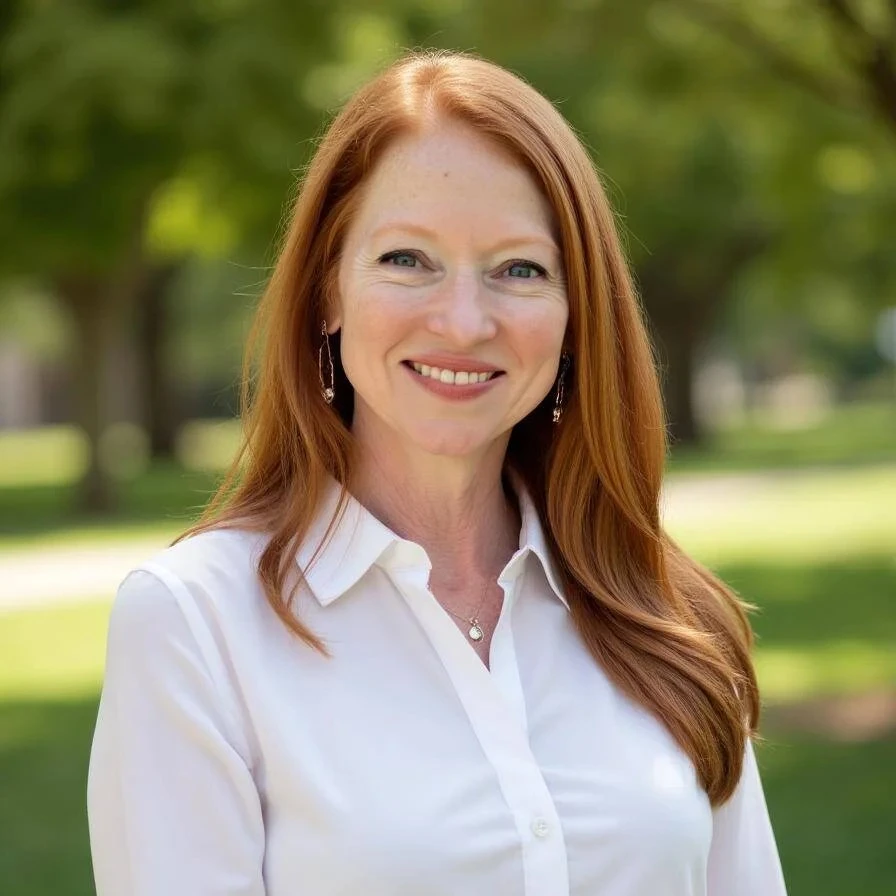
Sharalee Hall
Licensed Marriage & Family Therapist #135374

Chris Calandra
Licensed Marriage & Family Therapist #164783

Suzanne Perry
Licensed Marriage & Family Therapist #163151

Hayley Willis
Licensed Marriage & Family Therapist #163642
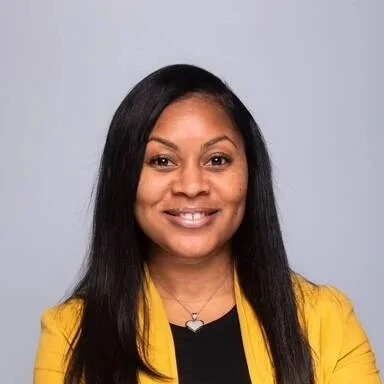
Jasmine Johnson
Associate Marriage & Family Therapist #137660

Sean Palmer
Associate Marriage & Family Therapist #161917
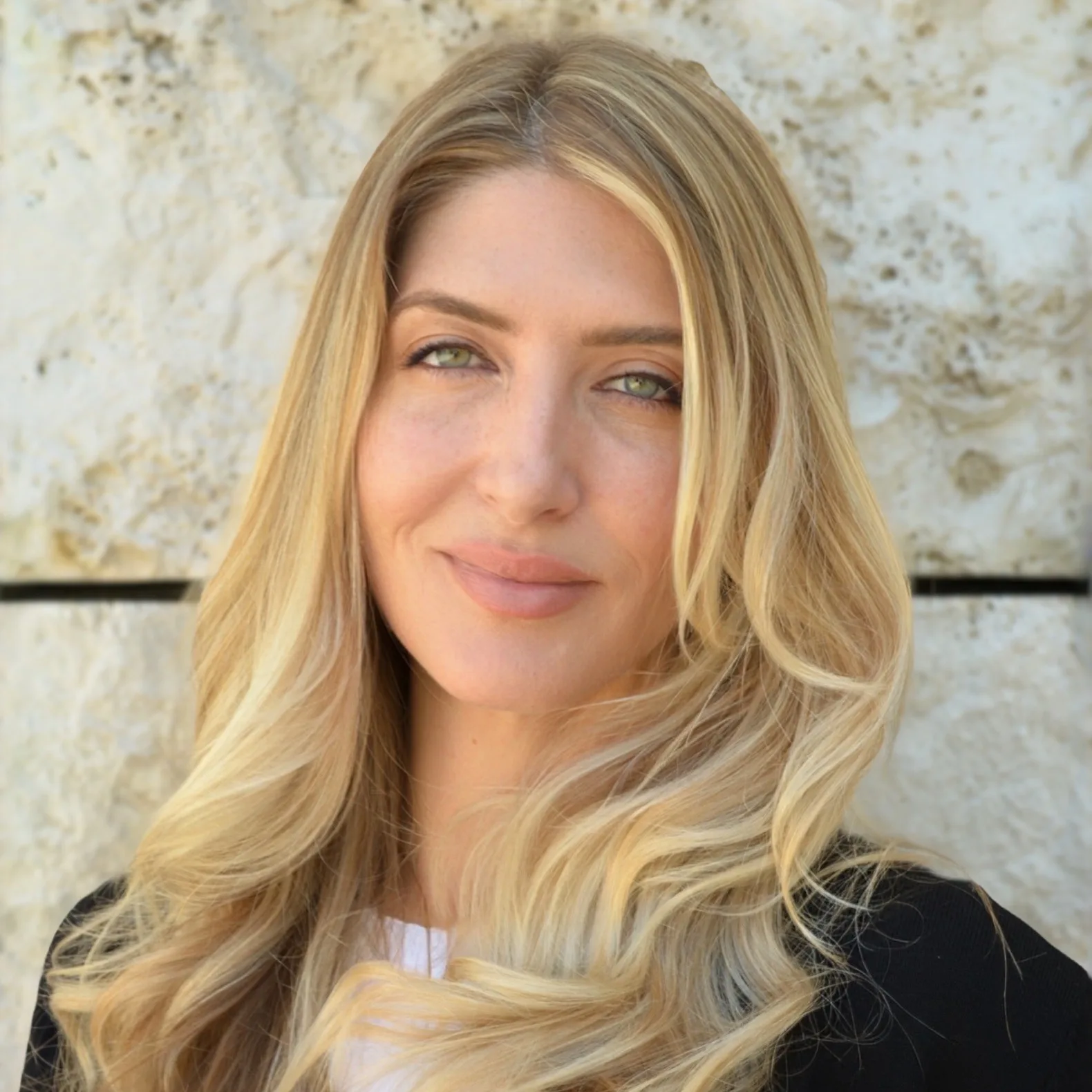
Ashleigh Abramovici
Associate Marriage & Family Therapist #155333
FAQ - NEURODIVERGENCE
Frequently Asked Questions About Neurodivergence
Honest answers from our therapists — before you take the first step
1. What is neurodivergence and how does it affect thinking, behavior, and daily functioning?
Neurodivergence is a term that describes neurological development that diverges from what society has established as the typical or expected pattern. It is not a diagnosis in itself — it is an umbrella that encompasses a range of neurological profiles including ADHD, autism spectrum conditions, dyslexia, sensory processing differences, and others — each reflecting a genuinely different configuration of brain wiring rather than a defective version of a standard one.
The impact on thinking, behavior, and daily functioning is real, significant, and profoundly individual. No two neurodivergent people experience their neurology in exactly the same way — even those sharing the same diagnosis. In thinking, neurodivergence often produces what we describe to clients as an uneven cognitive profile — areas of remarkable strength coexisting with areas of genuine difficulty, in combinations that frequently confuse both the individuals themselves and the people around them. Exceptional pattern recognition alongside working memory gaps. Deep, sustained hyperfocus alongside the inability to initiate a simple task. Extraordinary capacity in some domains and disproportionate struggle in others — not because of effort or intelligence, but because of how information is processed, filtered, and organized at the neurological level.
In behavior, neurodivergence frequently produces responses to the environment that are entirely logical given the underlying neurology — but that are consistently misread by others as laziness, rudeness, immaturity, or defiance. And in daily functioning, the cumulative impact of navigating a world designed for a neurological profile you don’t share — its pace, its sensory demands, its social expectations, its structures — produces a level of effort and exhaustion that neurotypical individuals rarely have cause to recognize or acknowledge. Understanding this — really understanding it — is the beginning of building a life that actually fits.
2. What are the common signs of neurodivergence in children and adults?
The most important clinical point we make about recognizing neurodivergence — in both children and adults — is that the signs don’t always look the way people expect them to. The hyperactive boy who can’t sit still is only one face of a neurological spectrum that presents across gender, across intellectual ability, across socioeconomic background, and across age — often in forms that are quiet, internalized, and effectively concealed beneath coping strategies that took years to construct.
In children, the signs we look for include: significant difficulty with tasks that peers seem to manage without comparable effort — particularly those involving sustained attention, organization, transitions, or social navigation. Sensory sensitivities that make certain environments genuinely overwhelming. Emotional responses that are intense and rapid in ways that feel confusing to caregivers and educators. Deep, specific interests that absorb the child completely and feel qualitatively different from typical childhood enthusiasm. And a persistent sense — often reported by the child themselves — of feeling different from their peers in ways they cannot articulate.
In adults — and this is a population we work with extensively at TrueMe® — the presentation is often significantly more masked. We look for: a lifelong history of trying harder than others for equivalent results in specific domains, particularly executive function and social performance. Chronic exhaustion from sustained social effort. A history of being described as “too much,” “too sensitive,” “too intense,” or “not trying hard enough” — often by people who genuinely cared but fundamentally misunderstood the neurology. Significant anxiety or depression that doesn’t fully respond to standard treatment, often because the underlying neurological mismatch is not being addressed. And a quietly held, rarely examined conviction that something is fundamentally different about how they move through the world — without ever having had an accurate framework for understanding what that difference actually is.
3. How is neurodivergence diagnosed and when should you seek an assessment?
Neurodivergence is diagnosed through a comprehensive clinical assessment conducted by a qualified professional — typically a psychologist, psychiatrist, or neuropsychologist with specific expertise in neurodevelopmental conditions. The assessment process varies by condition but generally involves detailed clinical interviews, standardized rating scales and cognitive assessments, review of developmental history, and — particularly for ADHD and autism — collateral information from people who have known the individual across different contexts and developmental stages.
We want to be clear about something that is frequently misunderstood: a diagnosis is not a prerequisite for support. Many of our clients at TrueMe® are in the process of pursuing assessment, awaiting results, or have chosen not to pursue formal diagnosis for personal or practical reasons — and all of them are fully deserving of, and fully capable of benefiting from, neurodivergence-affirming therapeutic support regardless of their diagnostic status.
That said, we recommend seeking a formal assessment if: the experiences associated with neurodivergence are significantly impairing your daily functioning, your relationships, or your mental health — and you have never had an adequate clinical explanation for why. If you are navigating workplace accommodations, educational support, or other systems that require formal documentation. If a recent family member’s diagnosis has prompted recognition of similar patterns in yourself. Or if you have spent years receiving mental health treatment for anxiety, depression, or other presentations without adequate improvement, and suspect the underlying neurology may not have been adequately considered. A diagnosis doesn’t change who you are. But it can fundamentally reframe a lifetime of experience — and that reframing is, for many of our clients, one of the most therapeutically significant events of their lives.
4. What support strategies help individuals with neurodivergence thrive at home, school, or work?
After more than a decade of working with neurodivergent individuals across every life context, the most important thing we can say about support strategies is this: the most effective strategies are those built around the individual’s specific neurological profile — not borrowed from neurotypical frameworks and applied wholesale. What works for one ADHD brain may actively frustrate another. What supports one autistic person’s functioning may be irrelevant or counterproductive for the next. Individualization is not a luxury in neurodivergent support. It is the baseline requirement.
With that said, there are principles that consistently underpin effective support across contexts. Environmental design matters enormously. Neurodivergent individuals frequently function significantly better in environments that reduce unnecessary sensory load, provide predictable structure, and allow for movement, stimulation management, and sensory regulation in ways that neurotypical environments rarely accommodate. Working with the body’s natural rhythms — scheduling demanding cognitive tasks during peak alertness windows, building in genuine recovery time rather than pushing through depletion — produces dramatically better outcomes than the one-size-fits-all productivity frameworks most workplaces and schools impose.
Externalizing cognitive systems — using visual schedules, timers, written reminders, physical objects as prompts — reduces the executive function burden on a working memory system that may be genuinely limited in capacity, regardless of intelligence. Self-advocacy skills — learning to name what you need, to request accommodations without shame, to set limits around sensory and social demands — are among the highest-leverage skills we help clients develop. And perhaps most fundamentally: building environments and relationships in which the neurodivergent individual does not have to mask — in which their authentic neurological expression is accommodated rather than suppressed — is the single most reliably protective factor we know of for long-term neurodivergent mental health and wellbeing.
5. How can therapy support neurodivergent individuals — and improve overall well-being by embracing neurodivergence?
The most important thing we want to communicate about therapy for neurodivergent individuals is the same thing we communicate at the beginning of every first session: the neurodivergence itself is not the problem we are here to treat. A brain that processes the world differently does not need to be corrected. What does need clinical attention — and what therapy is genuinely equipped to address — is the accumulated psychological impact of spending years, sometimes decades, in a world that consistently misread, pathologized, or demanded the suppression of that different processing.
The anxiety that develops from chronic environmental mismatch. The depression that accumulates from years of trying harder than others for equivalent results and attributing the gap to personal failure. The profound shame that forms when the message — received from schools, families, and social environments — is that you are deficient. The identity confusion that follows years of masking so effectively that you genuinely don’t know who you are beneath it. The trauma of bullying, misdiagnosis, educational failure, or relational rupture that disproportionately marks the histories of neurodivergent individuals. All of these are what we treat at TrueMe® — and all of them are highly responsive to neurodivergence-affirming clinical care.
Concretely, therapy improves neurodivergent wellbeing by providing the first fully accurate framework many clients have ever had for understanding their own experience. When the story changes from “I am broken” to “I am wired differently in a world not designed for my wiring,” everything built on top of that story shifts. The self-blame diminishes. The shame begins to lift. The energy previously devoted to masking — to performing neurotypicality at the expense of authenticity and self — becomes gradually available for actual living. And the strategies, systems, and relational skills developed in therapy create a more sustainable, more authentic daily life that is built around the brain the client actually has, rather than the one the world assumed they should.