
SOCIAL ANXIETY | CALIFORNIA
Social anxiety is not shyness — it is a fear of being seen
For over 10 years, TrueMe® Counseling’s therapists have helped individuals break free from the exhausting cycle of social anxiety — the fear, avoidance, and shame that quietly shrink a life — and reclaim the connection, confidence, and presence they have every right to experience. Book your free 20-minute consultation today.
WHAT IS SOCIAL ANXIETY?
Understanding social anxiety disorder — and why is it so much more than being introverted or shy?
Social anxiety disorder is one of the most common and most consistently misunderstood anxiety conditions in clinical practice. It is not shyness — though it is routinely dismissed as such. It is not introversion — though people with social anxiety often become increasingly withdrawn over time as avoidance deepens. It is a specific, clinical pattern of intense fear around social situations, driven by a core, often unconscious conviction that others are perpetually evaluating you, that your performance in any social context will fall short, and that the consequence of that shortfall will be humiliation, rejection, or the definitive confirmation of every fear you hold about yourself.
What distinguishes social anxiety disorder from ordinary social discomfort is not the presence of nervousness — most people experience some anxiety in genuinely high-stakes social situations. It is the pervasiveness of that anxiety, the disproportionality of the threat response, and the progressive avoidance that develops around it — until a life that was once navigated with some friction becomes organized almost entirely around managing the fear of being seen.
At TrueMe®, we treat social anxiety by addressing it at every level it operates — the thoughts, the physical responses, the avoidance behaviors, and the deeper beliefs about worth and acceptability that are almost always at its foundation. The goal is not to become someone who loves social situations. It is to become someone who can choose — freely and without fear — how much of the world they want to participate in.
"Social anxiety is one of the loneliest conditions we treat — because it creates the very isolation it most fears. The people who struggle with it are not antisocial. They are, almost universally, people who want connection deeply and are convinced, at a level below conscious reasoning, that they are not safe to want it."
— TrueMe® Counseling
"Social anxiety is one of the loneliest conditions we treat — because it creates the very isolation it most fears. The people who struggle with it are not antisocial. They are, almost universally, people who want connection deeply and are convinced, at a level below conscious reasoning, that they are not safe to want it."
— TrueMe® Counseling
OUR EXPERT THERAPISTS TREAT THESE TYPES OF SOCIAL ANXIETY
Social anxiety disorder presents differently in every person — and in every context
Social anxiety is not one experience. It exists on a spectrum — from the person who freezes in any group situation, to the one who performs brilliantly in public but collapses internally. Here are the most common presentations we treat at TrueMe®.

Generalized Social Anxiety
Fear that extends across most social situations — meeting new people, attending social gatherings, making small talk, being observed — producing a pervasive avoidance that progressively narrows the world.
Performance & Public Speaking Anxiety
Fear concentrated around being observed performing — speaking in meetings, presenting, performing, eating or writing in front of others — where the perceived stakes of being watched produce incapacitating anxiety.
High-Functioning Social Anxiety
Social anxiety concealed beneath competent, even polished social performance — where others perceive confidence while the individual experiences intense internal terror, exhaustion, and the persistent dread of eventual exposure.
Social Anxiety with Avoidant Personality Features
A more pervasive pattern in which social anxiety has shaped the entire personality structure — producing chronic loneliness, profound self-consciousness, and the deeply held belief that connection is something available to others but not to you.
Social Anxiety in the Digital Age
Social anxiety that extends into online spaces — the terror of posting, of being misread, of receiving negative feedback — or that uses digital interaction as a substitute for in-person connection, deepening real-world avoidance over time.
Social Anxiety & Depression
The common, clinically significant co-occurrence of social anxiety and depression — where avoidance produces the isolation that fuels depression, and depression deepens the withdrawal that strengthens avoidance in a reinforcing cycle.
SIGNS YOU MAY NEED THERAPY
Most Common Social Anxiety Signs
Social anxiety is not confined to the moments of social contact themselves. It operates before, during, and long after every interaction — shaping thoughts, physical responses, and the gradual shrinking of a life organized around avoidance. Tap a category to explore.
- Intense anticipatory dread before social situations — sometimes days in advance
- Mind going blank mid-conversation — losing words under the pressure of being observed
- Persistent belief that others are noticing, judging, or forming negative opinions
- Post-event processing — replaying every word, expression, and silence for evidence of failure
- Catastrophizing the consequences of perceived social mistakes
- Self-focused attention — monitoring your own performance rather than engaging with the interaction
- Assuming rejection before it has occurred — interpreting neutral responses as disapproval
- Chronic self-consciousness about visible symptoms — blushing, shaking, sweating
- Avoiding social situations — declining invitations, calling in sick, cancelling last minute
- Using alcohol or substances to manage social situations
- Safety behaviors — scripting conversations, staying near exits, keeping phone in hand
- Speaking as little as possible in groups to minimize exposure
- Avoiding eye contact, keeping to the edges of social spaces
- Declining professional opportunities — presentations, promotions, networking — due to social fear
- Difficulty initiating or maintaining friendships and romantic relationships
- Over-preparing for social situations in ways that increase rather than reduce anxiety
- Withdrawing from friends, family, and social life
- Difficulty concentrating, remembering, or making decisions
- Avoiding reminders of the loss — places, objects, conversations
- Or conversely, compulsively seeking connection to the lost person
- Increased use of alcohol, food, or other numbing behaviors
- Loss of interest in work, hobbies, or things that once brought joy
- Difficulty functioning in daily responsibilities
- Feeling like the future no longer holds meaning or possibility
You don't have to figure this out alone. Let's talk.
OUR CLINICAL APPROACH
How we treat you — and why it works
Most therapy fails because it’s generic. At TrueMe® Counseling, our therapists use a structured, evidence-based framework built around your specific needs, history, and goals — not a one-size-fits-all program. Whether you’re across the street or across the state, we’re here — in person or virtually throughout California.
Understanding What's Driving Your Social Anxiety
Social anxiety is more than shyness or being introverted. It can involve a persistent fear of being judged, embarrassed, rejected, or saying the "wrong" thing. We begin by understanding how social anxiety affects your relationships, work, school, and daily life, while identifying the experiences, beliefs, and situations that contribute to it.
Identifying the Patterns That Keep Anxiety Going
Social anxiety often creates a cycle of overthinking, avoidance, self-criticism, and replaying conversations long after they've ended. Together, we'll identify the thoughts, physical sensations, and behaviors that reinforce your anxiety. Understanding these patterns helps you interrupt the cycle instead of feeling trapped by it.
Building Confidence Through Evidence-Based Strategies
Confidence doesn't come from never feeling anxious—it comes from learning that you can handle situations even when anxiety is present. Using evidence-based approaches such as Cognitive Behavioral Therapy (CBT), Acceptance and Commitment Therapy (ACT), Exposure Therapy, and other clinically appropriate interventions, we help you challenge unhelpful beliefs, reduce avoidance, and develop healthier ways of responding to social situations.
Practicing Real-World Social Skills
Avoiding social situations may feel safer in the moment, but it often strengthens anxiety over time. Therapy provides a supportive space to build communication skills, become more comfortable expressing yourself, establish healthy boundaries, and gradually face situations that once felt overwhelming. Each step is taken at a pace that's appropriate for you.
A Personalized Plan That Grows With You
Everyone experiences social anxiety differently. Some struggle in large groups, while others find one-on-one conversations, dating, presentations, or meeting new people especially difficult. Your therapist develops an individualized treatment plan based on your experiences, goals, strengths, and daily challenges. As your confidence grows, your treatment evolves to support continued progress.
Helping You Connect with Confidence
Our goal isn't to change your personality or make you more outgoing—it's to help you feel comfortable being yourself. By the end of therapy, you'll have practical tools to manage anxiety, trust yourself in social situations, build meaningful relationships, and participate more fully in your personal and professional life without fear holding you back.
YOUR THERAPY JOURNEY
What to expect in therapy
Starting therapy can feel intimidating — especially when you’re already carrying so much. Here’s exactly what the process looks like, step by step.
Free consultation call
Before anything else, you’ll have a brief, no-pressure call to share what you’re going through and ask any questions you have. There’s no commitment — just a conversation to make sure we’re the right fit for you.
Your first session
Your first session is a relaxed, open conversation — not a test. Your therapist will take time to understand your history, your current experience, and what you’re hoping to achieve. Many clients leave their first session already feeling a sense of relief just from being heard.
A personalized plan
Your therapist will work with you to create a plan tailored specifically to your needs — not a generic program, but a personalized roadmap designed around your unique history, goals, and what you’re going through right now.
Ongoing sessions & real tools
Each session builds on the last. Using CBT and other evidence-based methods, your therapist will help you identify the thought patterns and behaviors holding you back — and equip you with practical tools you can use in real life between sessions.
Tracking your progress
Healing isn’t always linear — and your therapist knows that. Progress is regularly reviewed and your plan is adjusted as needed to ensure you’re always moving in the adirection at the right pace for you.
Life beyond therapy
The goal of therapy isn’t just symptom relief — it’s lasting transformation. You’ll finish therapy with a deeper understanding of yourself, a toolkit you carry for life, and the confidence to face whatever comes next.
Meet Our Therapists
TrueMe® Counseling is a team of licensed MFTs and PhDs with decades of combined clinical experience.

Marina Edelman
Founder | Licensed Marriage & Family Therapist #51009

Cheryl Baldi
Licensed Marriage & Family Therapist #39801

Dr. Rachel Chistyakov
Doctor of Psychology | Licensed Marriage & Family Therapist #150001
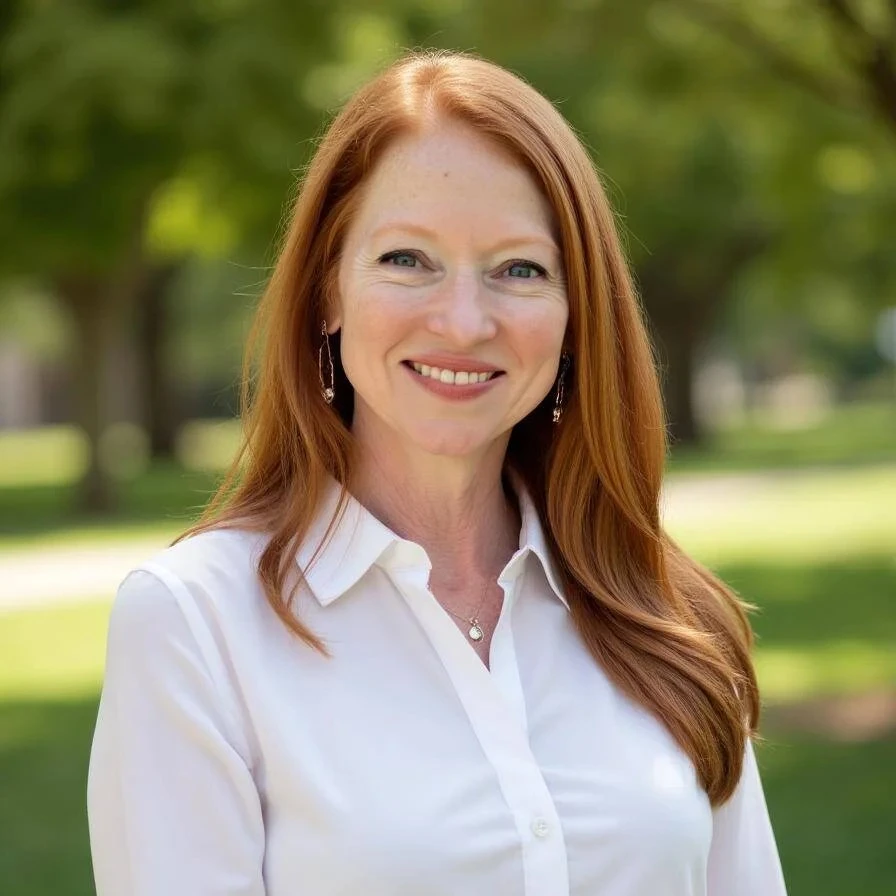
Sharalee Hall
Licensed Marriage & Family Therapist #135374

Chris Calandra
Licensed Marriage & Family Therapist #164783

Suzanne Perry
Licensed Marriage & Family Therapist #163151

Hayley Willis
Licensed Marriage & Family Therapist #163642

Jasmine Johnson
Associate Marriage & Family Therapist #137660

Sean Palmer
Associate Marriage & Family Therapist #161917
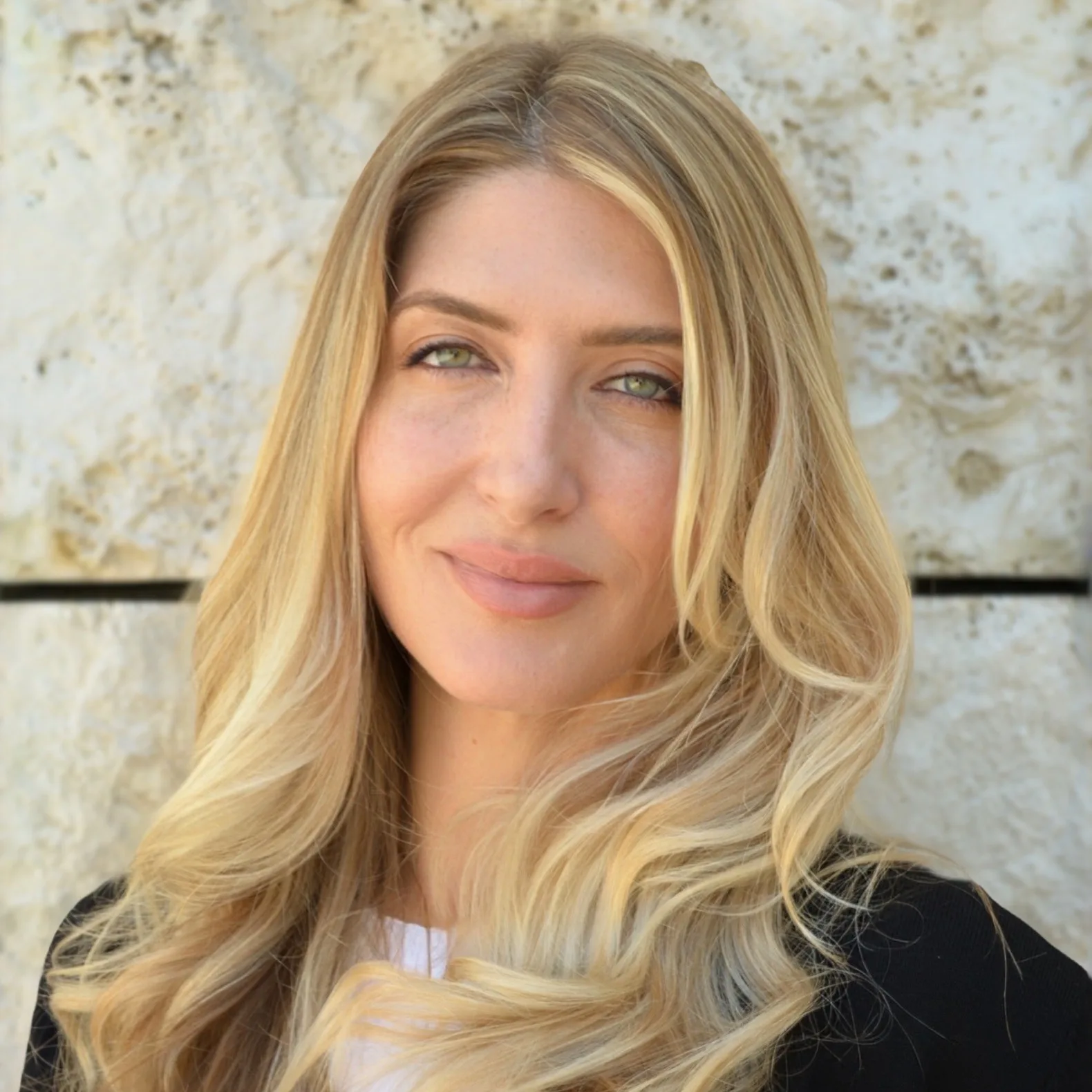
Ashleigh Abramovici
Associate Marriage & Family Therapist #155333
FAQ - SOCIAL ANXIETY
Frequently Asked Questions About Social Anxiety
Honest answers from our therapists — before you take the first step.
1. What is social anxiety disorder and how is it different from shyness?
Shyness is a temperamental trait — a tendency toward caution and reserve in novel social situations that typically diminishes with familiarity and does not significantly impair functioning. Most shy people navigate their social world with some friction but without the kind of pervasive, disproportionate fear that reorganizes their entire life around avoidance.
Social anxiety disorder is categorically different. It is a clinical condition characterized by intense, persistent fear of social situations in which the person believes they may be negatively evaluated, humiliated, or rejected — and in which that fear produces either significant behavioral avoidance or endurance of the situation with profound internal distress. The key clinical features that distinguish it from shyness are: the intensity of the fear relative to the actual threat; the breadth of situations affected; the anticipatory dread that can begin days before a social event; the post-event processing that continues long after it has ended; and — most critically — the behavioral consequences. Social anxiety disorder declines promotions, cancels friendships, avoids medical appointments, and organizes entire lives around reducing social exposure. Shyness does not do that. If your social discomfort has been making decisions on your behalf — choosing avoidance over opportunity, isolation over connection — what you are describing is almost certainly not shyness. And it is absolutely treatable.
2. What are the common symptoms of social anxiety in everyday situations?
The most important clinical point we make about social anxiety symptoms is that they operate before, during, and long after the social situation itself — making social anxiety one of the most temporally exhaustive anxiety conditions we treat. It is not simply the nervousness in the room. It is the dread in the days before, the hypervigilance during, and the relentless post-mortem after.
Before social situations: intense anticipatory anxiety that can begin hours or days in advance, compulsive mental rehearsal of what might go wrong, physical symptoms — nausea, disrupted sleep, tension — and the temptation to cancel that is frequently indistinguishable from genuine relief when acted upon. During social situations: self-focused attention — monitoring your own performance rather than engaging with the interaction; mind going blank under the perceived pressure of being observed; physical symptoms including blushing, trembling, sweating, or voice constriction that become their own source of secondary anxiety and shame; and a constant background hum of threat assessment — scanning for signs of disapproval in the faces and responses of others. And after social situations: post-event processing — the exhausting, often hours-long replaying of the interaction for evidence of failure, humiliation, or negative impression — which reinforces the anxiety for the next occasion and ensures that social situations remain costly long after they have ended. In everyday life, these symptoms collectively produce a chronic state of vigilance and self-consciousness that is profoundly draining — and that most people experiencing it have been managing, alone, for far longer than they needed to.
3. What causes social anxiety and what factors can make it worse?
Social anxiety develops through a combination of biological predisposition, formative social experiences, and the learned associations that form between social exposure and threat. Some individuals are born with a nervous system that is genuinely more sensitive to social evaluation — more attuned to the responses of others, more activated by the possibility of rejection or disapproval. In a warm, validating environment, this sensitivity might express itself as empathy, emotional intelligence, and deep relational attunement. In an environment that includes bullying, public humiliation, relentless criticism, early relational rejection, or a family system that modeled social anxiety — that same sensitivity becomes the raw material for social anxiety disorder.
The factors that most consistently worsen social anxiety, in our clinical experience, are: avoidance — the single most powerful maintaining factor, because every avoided situation reinforces the belief that the situation was genuinely dangerous and that only escape made it survivable. Safety behaviors — the subtle strategies used to manage anxiety within social situations (scripting conversations, staying near exits, never making eye contact) — which prevent the full disconfirmation of the feared outcome and keep the anxiety structurally intact. Post-event processing — replaying interactions for evidence of failure — which consolidates the fear rather than resolving it. And the shame that accumulates around the anxiety itself — the secondary layer of self-judgment about struggling in situations that others seem to navigate effortlessly — which deepens the avoidance and makes reaching out for support significantly harder. None of these factors are character flaws. They are the entirely predictable mechanics of a fear system that has never been given the conditions it needs to update.
4. What are effective ways to manage and overcome social anxiety?
After more than a decade of treating social anxiety at TrueMe®, the most important thing we can say about managing and overcoming it is this: the single most counterproductive thing you can do is avoid the situations that frighten you. We understand why avoidance is the default response — it provides immediate, genuine relief. The anxiety drops, the body settles, and the situation that felt threatening recedes. But that relief comes at a significant cost: it teaches the nervous system, with every repetition, that the situation was genuinely dangerous and that avoidance was the correct and necessary response. The anxiety is maintained not by the social situations themselves but by the behavioral pattern that prevents it from being disconfirmed.
The most effective approaches to managing social anxiety in daily life include: gradual, voluntary re-engagement with avoided situations — not through forcing yourself into overwhelming exposure, but through a carefully designed hierarchy that produces manageable anxiety and allows corrective experience to accumulate. Shifting attentional focus outward — from monitoring your own performance and symptoms to genuinely attending to the other person and the interaction — is one of the most immediately impactful behavioral changes we work on. Challenging the post-event processing habit — setting a deliberate time limit on reviewing social interactions and actively redirecting attention when the replay begins. And eliminating safety behaviors gradually — because the relief they provide is exactly what prevents the fear from extinguishing. These strategies are most effective when implemented within a structured therapeutic framework, because the nervous system’s learning requires consistency, graduated challenge, and the support of a clinician who understands the precise mechanics of the avoidance cycle. Self-help approaches can provide useful psychoeducation. Therapy produces the actual behavioral change.
5. When should you seek professional help for social anxiety?
When social anxiety has become the primary decision-maker in your life. That is our honest clinical threshold — and it is grounded in over a decade of working with people who recognized it at varying stages of that process. When the anxiety is declining opportunities, narrowing friendships, restricting career growth, and organizing your daily choices around what can be avoided rather than what you actually want — professional support is not just beneficial. It is, at that point, necessary.
More specifically, we encourage you to reach out if: social anxiety has been present and impairing for more than six months — meaning it is not a situational response to a specific stressor but an established pattern. If avoidance has been expanding rather than remaining stable — if the list of situations you can comfortably navigate keeps shrinking. If you are using alcohol or substances to manage social situations — a pattern that provides short-term relief while significantly worsening long-term anxiety and creating its own clinical risks. If the loneliness produced by social anxiety has become chronic — if connection feels like something available to others but categorically unavailable to you. If the shame and self-criticism that accompany the anxiety have become as debilitating as the fear itself. Or if social anxiety is co-occurring with depression — a combination we treat frequently and that requires simultaneous clinical attention to both presentations.
We also want to address something that many socially anxious individuals bring to their first session: the irony of the fact that reaching out for help with social anxiety is itself a social act that the anxiety resists. We know that. We have worked with hundreds of people for whom making the first contact was the hardest part of the entire treatment. You do not need to feel ready. You do not need to be articulate about what you are experiencing. You simply need to make the call. Everything else we can build together — and in our experience, the people who make that call consistently describe it as one of the most important decisions of their lives.