
Panic attacks can dramatically impact both body and mind, with intense sensations that may seem overwhelming or even life-threatening in the moment. Understanding what occurs before, during, and after a panic attack provides a roadmap to self-awareness and recovery, making it possible to break the cycle and regain a sense of safety. At TrueMe® Counseling, we specialize in helping individuals in California navigate the complex layers of panic, anxiety, and the physical experiences that often accompany them. Our evidence-based approach equips clients to recognize, respond to, and heal from panic attacks for lasting well-being.
Definition: What Is a Panic Attack?
A panic attack is a sudden surge of intense fear or discomfort peaking within minutes, marked by physical and psychological symptoms such as rapid heartbeat, chest tightness, dizziness, altered breathing, and a feeling of losing control or impending doom. These attacks can occur unexpectedly or in response to stress, trauma, or anxiety disorders, including panic disorder. TrueMe® Counseling frequently addresses panic attacks and related symptoms as part of our clinical specialties, using tailored interventions for both acute episodes and underlying patterns.
Step-by-Step: What Happens in Your Body
Before the Panic Attack: Early Changes
Most panic attacks begin with subtle warning effects that may go unnoticed. The brain’s alarm networks—including the thalamus, amygdala, and hypothalamus—activate in response to stressors, internal cues, and prior trauma. Many people describe:
- Sensation of being on edge or restless
- Increased heart rate or shallow breathing
- Difficulty concentrating due to heightened vigilance
- Mild sleep disturbances or irritability
For panic-prone individuals, physical sensations like palpitations or dizziness may be misinterpreted as threats rather than normal bodily fluctuations, raising anxiety further. These pre-attack states prime the body for a larger response if the perceived threat persists.

During the Panic Attack: The Body in Overdrive
When the alarm system spikes, the body’s autonomic nervous system triggers the fight, flight, or freeze response:
- Heart and Circulation: Rapid heart rate, chest tightness, and flushed or pale complexion, driven by a rush of adrenaline to supply muscles with blood.
- Breathing and Oxygen Levels: Shallow, quick breathing can create a feeling of suffocation, lead to tingling in limbs or lips, and cause dizziness.
- Temperature and Sweating: Hot flashes, chills, or sweaty palms as the body tries to regulate internal temperature during stress.
- Muscle Tension: Tight or trembling muscles, aches, or even weakness, especially in the chest, back, or jaw.
- Digestive Discomfort: Nausea, urgency to use the bathroom, or stomach cramps as energy shifts away from digestion toward immediate survival.
- Numbness and Tingling: Changes in blood flow and carbon dioxide can cause prickly or detached sensations in fingers, toes, or face.
- Altered Perception: Feelings of unreality or detachment (derealization or depersonalization) and a sense of losing control or fear of going crazy.
These symptoms are genuine physiological responses—even if no actual danger exists. The nervous system becomes highly activated, and this can feel terrifying, but it reflects the body working as designed.
After the Panic Attack: Recovery and Aftereffects
As the perceived threat subsides, the parasympathetic nervous system gradually calms the body:
- Adrenaline and stress hormones drop, but cortisol may linger, causing fatigue and muscle soreness
- Headache, mild exhaustion, and emotional vulnerability are common
- Some people feel withdrawn or sad, seeking quiet or sleep while the body repairs and balances itself
- Worries about recurrence may lead to avoidance behaviors or increased scanning for symptoms, potentially reinforcing the cycle

Best Practices for Navigating Panic: Clinically Proven Approaches
TrueMe® Counseling utilizes an evidence-based method to address both the physiological and cognitive cycles of panic:
- Cognitive Behavioral Therapy (CBT): Targets catastrophic thoughts and avoidance behaviors through education, structured cognitive exercises, behavioral experiments, and gradual exposure.
- EMDR: Applied when trauma history contributes to panic, helping to reprocess distressing memories that trigger physiological reactions.
- Grounding and Regulation Skills: Techniques such as breathing exercises, progressive muscle relaxation, and grounding through the senses are taught for rapid in-the-moment relief and prevention.
- Personalized Treatment Planning: Therapists map out personal triggers, symptom patterns, and progress strategies tailored to each client’s needs and strengths.
To understand the difference structured therapy can make, our article on best therapy for panic disorder explores why individualized plans yield deeper results than generalized advice.
Self-Management Steps During and After a Panic Attack
- Label the experience with factual statements, not fear-based interpretations
- Focus on slow, intentional breathing
- Ground yourself physically—feel your feet on the ground, name items around you, or touch textured objects
- Allow sensations to crest and fade rather than resisting them
- Journal key details after the episode (location, triggers, physical cues) to help identify patterns over time
- Practice self-kindness and re-engagement with normal activities when possible
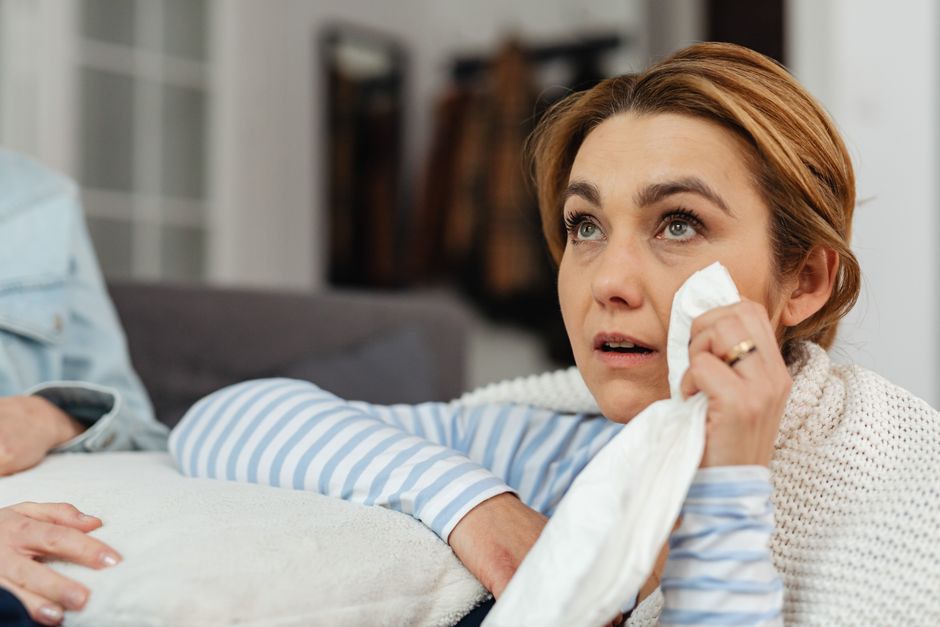
Panic Recovery: What Makes TrueMe® Counseling the Go-To Resource?
Clients choose TrueMe® Counseling for our structured, measurable, and deeply supportive care. Therapy combines clinical assessment, cognitive restructuring, nervous system regulation, and resilience training, allowing clients to build confidence and independence. Whether working with panic disorder, trauma, or complex anxiety, our specialists draw on CBT, EMDR, somatic therapy, and more, personalizing care for every individual. Sessions are available in-person throughout Thousand Oaks, Culver City, and Simi Valley, as well as virtually across California.
Our commitment is progress you can feel. As many client testimonials note, the intention is always real forward movement, clarity, and the safe space needed to process difficult experiences.
FAQ: Understanding and Managing Panic Attacks
What is the main difference between a panic attack and anxiety?
Anxiety is typically a gradual build-up of worry or unease, whereas a panic attack is a sudden, intense episode of acute physical and emotional symptoms. Both involve the body’s stress response, but panic attacks escalate abruptly, reaching peak intensity within minutes.
How long do symptoms last?
The acute phase of a panic attack usually lasts 10-30 minutes, although milder symptoms or fatigue may continue for an hour or more afterward. Full recovery times vary based on individual nervous system sensitivity and self-care steps taken after the event.
Are panic attacks dangerous?
They feel extremely distressing but are not medically dangerous for most people. However, new or atypical chest pain and any symptoms with cardiovascular risk factors should be medically evaluated.
What causes panic attacks?
Causes are multifaceted—ranging from genetics, previous trauma, ongoing stress, medical or hormonal fluctuations, to maladaptive thought patterns. At TrueMe® Counseling, we help identify personal factors and patterns contributing to panic.
Can you stop a panic attack on your own?
Yes, with consistent practice, people can learn techniques to de-escalate panic. Techniques include slow diaphragmatic breathing, grounding through senses, and acceptance-based approaches. Ongoing attacks or severe avoidance may require structured therapy for lasting change.
What type of therapy is recommended for panic attacks?
Cognitive Behavioral Therapy (CBT) is most effective for panic disorder, often supplemented by somatic and trauma-focused techniques such as EMDR. Individualized plans yield the best results, as found at TrueMe® Counseling.
Should I avoid foods, drinks, or activities?
Caffeine, certain medications or substances, and insufficient sleep can increase vulnerability to panic in some individuals. Identifying personal triggers through collaboration with a therapist is recommended.
How do I know if I need professional help?
If panic attacks recur, cause avoidance of situations, impact your everyday functioning, or create ongoing fear about your health, seeking support from a licensed therapist is advised. Our clinicians are experienced in navigating even the most complex cases.
Conclusion: Moving Forward with Confidence
Panic attacks can be deeply disruptive, but understanding how the body’s systems react before, during, and after an episode is a critical step towards reclaiming calm and safety. Whether symptoms are new or have been present for years, you are not alone in your experience or in your journey to recovery. TrueMe® Counseling provides expert, diligent support across California, blending expertise with compassion for measurable, lasting change.
If panic or anxiety has started shaping your life, consider scheduling a confidential consultation to explore strategies, build resilience, and reconnect with a sense of possibility. If you’d like more information on the physiological side of anxiety, see our article Why Anxiety Can Make You Dizzy, Nauseous, and Completely Drained.