

WOMEN’S HEALING GROUP
Betrayed Partners
TUESDAYS
6:30 PM – 8:00 PM
A confidential, clinically supported space for partners navigating the trauma, betrayal, and profound confusion that comes with loving someone.

MOMS’ SUPPORT GROUP
Why Does My Toddler Hate Me?
THURSDAYS
10:00 AM – 11:15 AM
For mothers navigating the painful and bewildering experience of toddler rejection — a space to be honest about the emotional complexity of motherhood without judgment or shame.

MOMS’ SUPPORT GROUP
Raising Capable Young Men
WEDNESDAYS
7:00 PM – 8:15 PM
A candid, supportive group for mothers navigating the unique challenges of raising adolescent boys — the distance, the intensity, and the love that makes it all worth it.

MEN’S SUPPORT GROUP
Strong Men & Safe Kids
THURSDAYS
7:00 PM – 8:15 PM
A men’s therapy group for dads, grandfathers, uncles, and other male caregivers.
“When men grow, children benefit.”
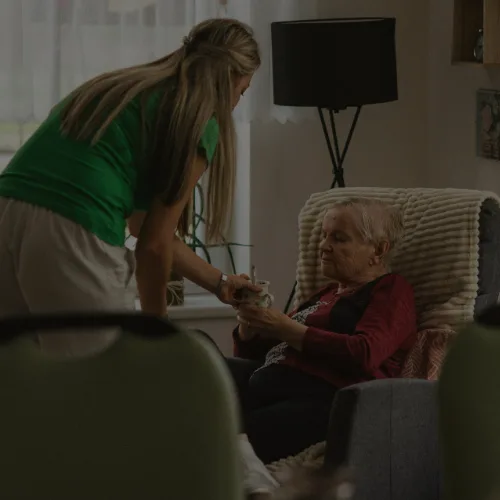
CAREGIVER SUPPORT GROUP
Holding Space for Your Loved Ones
WEDNESDAYS
6:30 PM – 8:00 PM
For adults caring for aging parents or loved ones navigating chronic illness, dementia, or cognitive decline who need support managing the emotional weight of caregiving.

GLP-1 SUPPORT GROUP
Life After Ozempic
THURSDAYS
6:30 PM – 8:00 PM
A clinically supported group for individuals navigating the emotional, psychological, and identity dimensions of weight loss — particularly those using GLP-1 medications like Ozempic or Wegovy.

Why group therapy works
Group therapy is one of the most effective and most underutilized forms of clinical support available. Research consistently shows that the experience of being genuinely understood by others who share your situation — not just by a therapist, but by people who are living through something similar — produces a depth of healing and relief that individual therapy alone cannot always replicate.
At TrueMe® Counseling, every group is professionally facilitated by a licensed therapist who provides clinical structure, safety, and direction throughout. Groups are kept small to ensure every member has genuine space to be heard, and each is designed around a specific shared experience or life circumstance — because the most effective group therapy is never generic. It is built around the specific people in the room and what they are actually going through.
Whether you are carrying something you have never been able to say out loud, navigating a transition that feels isolating, or simply looking for a space where you don’t have to explain yourself from scratch — there is a group here that was built for exactly where you are.
Why group therapy
Group therapy is not a lesser alternative to individual therapy — it is a different and often more powerful kind of healing. Here is what makes it uniquely effective.
What group therapy offers that nothing else quite can:
- Hearing others name what you have never said out loud is one of the most relieving experiences
- No backstory needed — the people in your group are already living it.
- Build practical skills for communication, regulation, and resilience — tested in real conversation with real people
- The connections formed in group therapy often become some of the most meaningful support in a person's life.
- Witnessing others' breakthroughs creates clarity about your own patterns faster than almost any other therapeutic format.
- Showing up for others is one of the most powerful forces for change
FAQ
Frequently Asked Questions About Group Therapy & Counseling
Honest answers from our therapists — before you take the first step.
1. What is group therapy — and how is it different from individual therapy?
Group therapy is a professionally facilitated clinical experience in which a small number of people with shared experiences or challenges meet regularly under the guidance of a licensed therapist. Where individual therapy is entirely private and focused on one person’s history and goals, group therapy adds a dimension that individual work cannot replicate — the experience of being genuinely understood by people who are living through something similar, not just by a clinician who is trained to understand it. Both are valuable. Many clients find that the two work powerfully together, each reaching something the other cannot fully access alone.
2. Is group therapy as effective as individual therapy?
Yes — and for certain presentations and life circumstances, research suggests it can be even more effective. The therapeutic factors unique to group settings — universality, altruism, interpersonal learning, cohesion, and the experience of not being alone in what you are carrying — produce outcomes that individual therapy is not always positioned to deliver on its own. At TrueMe® Counseling, every group is facilitated by a licensed therapist who provides clinical structure and evidence-based guidance throughout, ensuring that the group experience is both personally meaningful and clinically rigorous.
3. Is everything shared in group therapy confidential?
Confidentiality in group therapy is a shared commitment — both the therapist and every group member agree to keep what is shared in the room within the room. At the start of every group, TrueMe® Counseling establishes clear confidentiality agreements with all participants. While your therapist is bound by the same professional and legal standards of confidentiality that govern all clinical work, we also take time to create an explicit group agreement around privacy — so that every member can share with the same confidence they would bring to an individual session.
4. How do I know which group is right for me?
The clearest way to find out is through a brief consultation call — which we offer at no cost and with no commitment. During that conversation, we will talk through what you are navigating, what you are hoping to get from a group experience, and which of our current groups is the most natural fit for where you are. If none of our existing groups is quite right for your situation, we will tell you honestly — and point you toward individual therapy or another resource that better matches your needs.
5. What if I am nervous about sharing in a group setting?
That is one of the most common feelings people bring to their first group session — and one of the most understandable. You are not required to share anything before you are ready. Many group members begin simply by listening and finding that the experience of hearing others speak honestly about what they are carrying is itself profoundly relieving — even before they have said a single word themselves. The pace of participation is always yours to set. Your therapist creates a safe, structured environment that makes opening up feel possible rather than pressured — and most people find that what felt terrifying before the first session becomes one of the most meaningful parts of their week.
Visit Us!
Thousand Oaks Office
32107 Lindero Canyon Rd Thousand Oaks, California 91361
Culver City Office
5183 Overland Ave Culver City, CA 90230
Simi Valley Office
2380 Shasta Way, Suite C Simi Valley, CA 93065
Thousand Oaks Office
32107 Lindero Canyon Rd Thousand Oaks, California 91361
Culver City Office
5183 Overland Ave Culver City, CA 90230
Simi Valley Office
2380 Shasta Way, Suite C Simi Valley, CA 93065