
Autism Testing & Assessment
Autism testing is a comprehensive, affirming evaluation designed to give you accurate answers about how your mind works — and a clear, individualized path forward. For children, adolescents, and adults.
What is Autism Testing?
Autism Spectrum Disorder (ASD) is a neurodevelopmental condition characterized by differences in social communication, sensory processing, and patterns of behavior, interest, and thinking. It is not a disease or a deficit to be corrected — it is a fundamentally different neurological profile that comes with its own distinct set of strengths, challenges, and ways of experiencing the world. The term “spectrum” reflects the enormous diversity within autism — no two autistic individuals are the same, and the support that is most helpful will look different for each person.
Therapy for autism is not about teaching autistic individuals to appear neurotypical or to mask who they are. It is about helping each person understand their own neurology, develop the skills that support their specific goals, process the emotional weight of navigating a world not designed for them, and build a life that is genuinely aligned with who they are. At TrueMe® Counseling, we approach autism therapy through a neurodiversity-affirming lens — one that honors autistic identity, rejects harmful deficit-based frameworks, and focuses on supporting the whole person rather than eliminating autistic traits.
Who is Autism Testing for?
Our therapists work with autistic children, adolescents, and adults — as well as with parents and families seeking to better understand and support their loved one. We draw from evidence-based approaches including CBT adapted for autistic individuals, psychoeducation, somatic therapy, and EMDR where relevant, always tailoring the approach to the individual’s specific profile, communication style, and goals.
Common signs an Autism testing may be for you:
- Social communication differences
- Sensory processing differences
- Executive function challenges
- Intense focus & special interests
If you identify with 2 or more of these, you may be a good candidate for our testing and assessment.
OUR CLINICAL APPROACH
How we treat you — and why it works
Most therapy fails because it’s generic. At TrueMe® Counseling, our licensed therapists use a structured, evidence-based framework built around your specific needs, history, and goals — not a one-size-fits-all program.Whether you’re across the street or across the state, we’re here — in person or virtually throughout California.
Looking Beyond the Diagnosis
Every autistic individual has a unique way of thinking, communicating, learning, and experiencing the world. Our goal isn't simply to determine whether someone meets the criteria for Autism Spectrum Disorder (ASD)—it's to develop a comprehensive understanding of their strengths, support needs, communication style, sensory experiences, and daily functioning. An accurate assessment provides clarity that can guide meaningful support for years to come.
Conducting a Comprehensive Evaluation
An autism assessment is much more than completing a checklist. We conduct a thorough evaluation that includes developmental history, current concerns, social communication, behavioral patterns, sensory experiences, executive functioning, and emotional well-being. When appropriate, we also gather information from parents, caregivers, partners, teachers, or other relevant sources to build a complete clinical picture.
Providing an Accurate & Thoughtful Diagnosis
Many characteristics associated with autism can overlap with ADHD, anxiety, OCD, trauma, learning differences, or other mental health conditions. Our assessment process carefully considers these possibilities to ensure an accurate and well-informed evaluation. We take the time to understand the whole person so recommendations are based on clinical evidence rather than assumptions.
Helping You Understand the Results
Receiving an autism diagnosis—or learning that autism is not the best explanation—can bring many emotions and questions. We take the time to explain your assessment results in clear, practical language, helping you understand what they mean for your daily life, relationships, education, or career. You'll have the opportunity to ask questions, discuss next steps, and leave with a deeper understanding of yourself or your loved one.
Creating a Personalized Plan for Success
Every autistic individual has different strengths, goals, and support needs. Based on your assessment, we provide individualized recommendations that may include therapy, executive functioning support, social communication strategies, sensory accommodations, school or workplace recommendations, parent coaching, or referrals to other appropriate services. Our recommendations are designed to support long-term growth—not simply provide a diagnosis.
Understanding Yourself, Living Authentically
An autism assessment isn't about placing a label on who you are—it's about gaining a deeper understanding of how you think, communicate, learn, and experience the world. That understanding can reduce self-doubt, improve relationships, strengthen self-advocacy, and help you make choices that align with your unique needs and strengths. Our goal is to provide the clarity and guidance you need to live more confidently, authentically, and on your own terms.
YOUR THERAPY JOURNEY
What to expect in therapy
Starting therapy can feel intimidating — especially when you’re already carrying so much. Here’s exactly what the process looks like, step by step.
Free consultation call
Before anything else, you’ll have a brief, no-pressure call to share what you’re going through and ask any questions you have. There’s no commitment — just a conversation to make sure we’re the right fit for you.
Your first session
Your first session is a relaxed, open conversation — not a test. Your therapist will take time to understand your history, your current experience, and what you’re hoping to achieve. Many clients leave their first session already feeling a sense of relief just from being heard.
A personalized plan
Your therapist will work with you to create a plan tailored specifically to your needs — not a generic program, but a personalized roadmap designed around your unique history, goals, and what you’re going through right now.
Ongoing sessions & real tools
Each session builds on the last. Using CBT and other evidence-based methods, your therapist will help you identify the thought patterns and behaviors holding you back — and equip you with practical tools you can use in real life between sessions.
Tracking your progress
Healing isn’t always linear — and your therapist knows that. Progress is regularly reviewed and your plan is adjusted as needed to ensure you’re always moving in the adirection at the right pace for you.
Life beyond therapy
The goal of therapy isn’t just symptom relief — it’s lasting transformation. You’ll finish therapy with a deeper understanding of yourself, a toolkit you carry for life, and the confidence to face whatever comes next.
Meet Our Therapists
TrueMe® Counseling is a team of MFTs and PhDs with decades of combined clinical experience.

Marina Edelman
Founder | Licensed Marriage & Family Therapist #51009

Cheryl Baldi
Licensed Marriage & Family Therapist #39801

Dr. Rachel Chistyakov
Doctor of Psychology | Licensed Marriage & Family Therapist #150001
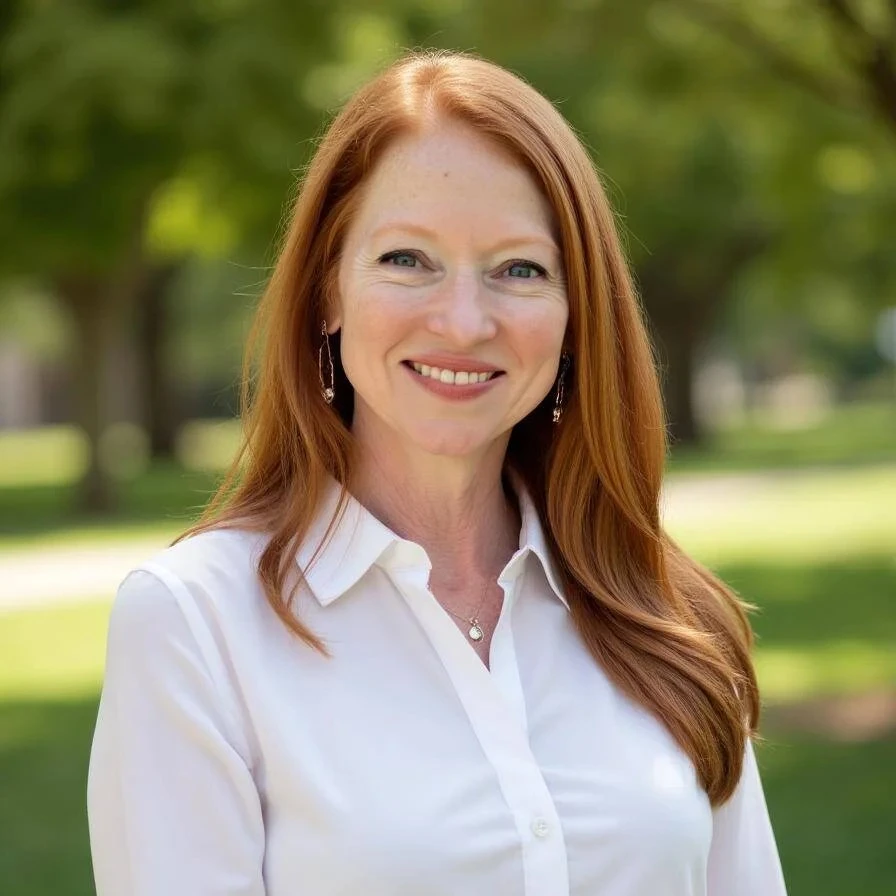
Sharalee Hall
Licensed Marriage & Family Therapist #135374

Chris Calandra
Licensed Marriage & Family Therapist #164783
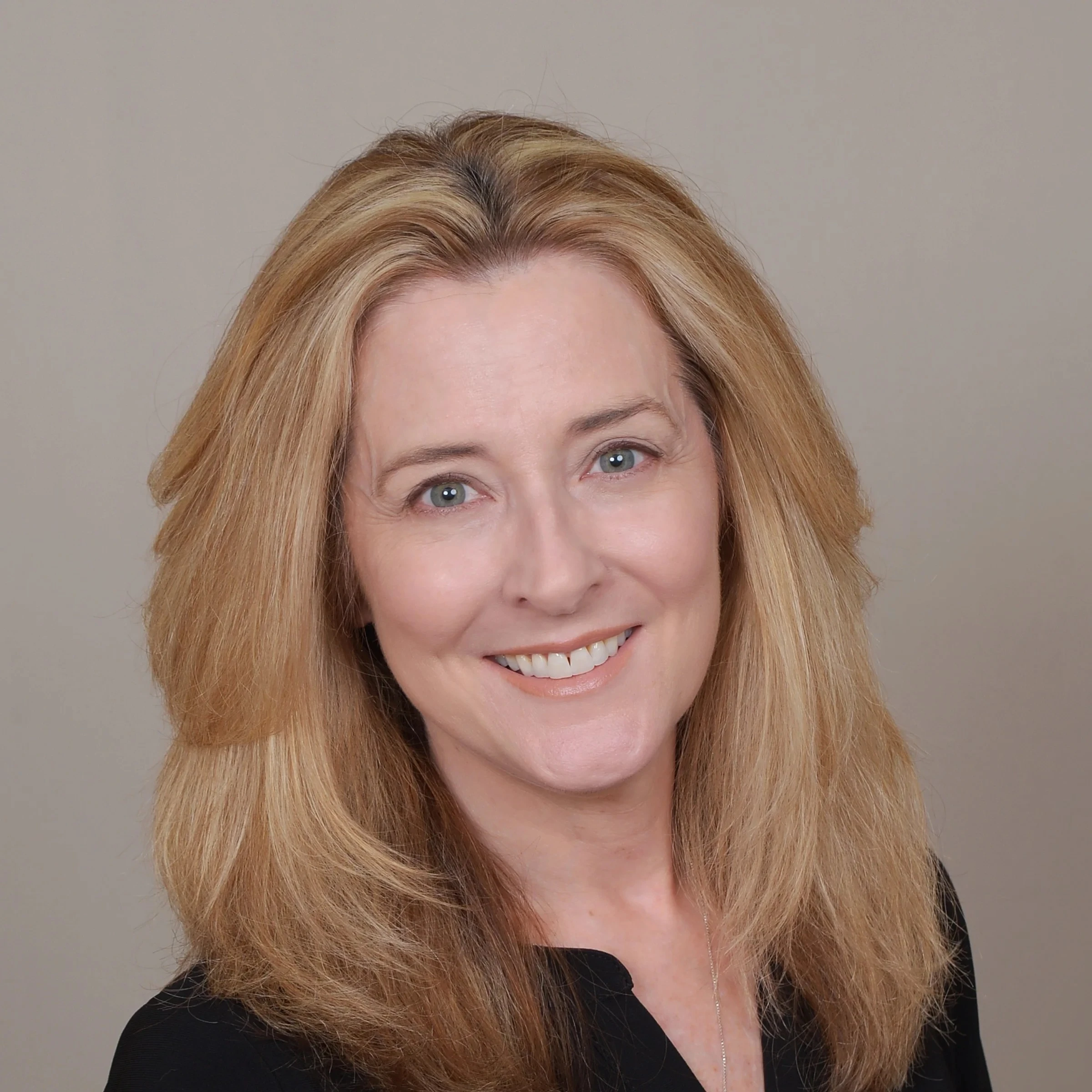
Suzanne Perry
Licensed Marriage & Family Therapist #163151

Hayley Willis
Licensed Marriage & Family Therapist #163642

Jasmine Johnson
Associate Marriage & Family Therapist #137660

Sean Palmer
Associate Marriage & Family Therapist #161917
FAQ - AUTISM
Frequently Asked Questions About Autism
Honest answers from our therapists — before you take the first step.
1. Is autism therapy about changing who I am — or supporting who I am?
At TrueMe® Counseling, autism therapy is entirely about the latter. We approach autism through a neurodiversity-affirming framework — treating autism as a neurological difference rather than a disorder to be corrected. The goal is never to make an autistic person appear more neurotypical. It is to help each individual understand their own neurology, build skills that serve their personal goals, and live a life that is genuinely authentic and sustainable. Your autism is not the problem. The mismatch between your neurology and a world designed for a different neurotype is the problem — and that is where the therapeutic work is directed.
2.What is autism masking — and why does therapy address it?
Autistic masking refers to the conscious or unconscious suppression of autistic traits to appear neurotypical — mimicking expressions, forcing eye contact, rehearsing social scripts, suppressing stimming. It is one of the primary reasons autism is missed in high-functioning individuals, and one of the most significant contributors to autistic burnout, anxiety, and a profound sense of inauthenticity. Therapy helps clients understand what they are doing and why, reduce the pressure to perform neurotypicality in contexts where it is not necessary, and build a more sustainable and honest relationship with their autistic identity.
3. Can adults be diagnosed with autism — and is it worth pursuing a diagnosis later in life?
Yes — and in our clinical experience, a late autism diagnosis is almost always worth pursuing. Autism has been historically underdiagnosed in women, in highly intelligent individuals who developed masking strategies, and in anyone whose presentation did not match the narrow stereotyped profile. A diagnosis does not change who you are. It changes how you understand who you have always been — and that understanding can be genuinely transformative. At TrueMe® Counseling, we offer comprehensive autism assessments for adults alongside therapeutic support for those processing a new diagnosis.
4. What is autism burnout — and how is it different from general burnout?
Autistic burnout is a state of profound physical, mental, and emotional exhaustion resulting from the sustained demands of navigating a neurotypical world — chronic sensory overload, constant social performance, and the cumulative toll of environments not designed for autistic neurology. Where general burnout typically responds to rest, autistic burnout can persist for months or years and may involve a significant regression in previously manageable skills. Recognizing autistic burnout as a clinical reality rather than a personal failure is one of the most important things therapy can provide.
5. Can autism therapy be combined with other therapeutic approaches at TrueMe®?
Yes — and in our practice, it almost always is. CBT adapted for autistic individuals is particularly effective for anxiety and depression. EMDR addresses the cumulative relational trauma of bullying, exclusion, or years of feeling fundamentally wrong in a world that did not understand you. Somatic approaches support sensory processing and emotional regulation. Your therapist will always design an approach genuinely tailored to your specific profile, communication style, and goals.