

How Betrayal Trauma Affects Your Body
Betrayal changes more than how you feel—it changes how safe your body feels.
Most people think of betrayal in emotional terms.
The heartbreak.
The anger.
The grief.
The loss of trust.
But in my work with betrayed partners, I often see something deeper happening.
Betrayal doesn’t just live in your thoughts or emotions.
It lives in your nervous system.
Many of the women I work with tell me they feel like they don’t recognize themselves anymore.
They’re constantly checking.
Constantly scanning for signs that something is wrong.
Unable to relax, even during moments when everything appears calm.
They find themselves looking through phones, replaying conversations, struggling to sleep, or feeling overwhelmed by emotions that seem to come out of nowhere.
And often, there’s a tremendous amount of shame attached to these experiences.
“Why can’t I move on?”
“Why am I still thinking about this?”
“Why am I acting this way?”
The answer is usually much simpler—and much more compassionate—than people realize.
Your nervous system is trying to protect you.
Betrayal Is Experienced as a Threat
When someone discovers infidelity, repeated deception, compulsive cheating behavior, or chronic betrayal in a relationship, their brain doesn’t simply register it as disappointing information.
It often registers it as a threat.
The person you relied on for safety suddenly feels unsafe.
The relationship that once felt secure now feels uncertain.
The future you thought you understood becomes unpredictable.
For many people, this creates a profound disruption to their sense of emotional safety.
From a nervous system perspective, your body responds exactly as it would to any major threat.
It becomes hyper-alert.
It starts gathering information.
It looks for danger.
It prepares for impact.
The problem is that betrayal isn’t a single event.
For many betrayed partners, it becomes an ongoing experience of uncertainty.
And uncertainty can keep the nervous system stuck in survival mode.
Why Hypervigilance Happens in Betrayal Trauma
One of the most common symptoms I see after betrayal is hypervigilance.
Hypervigilance is your nervous system’s attempt to prevent future harm.
It says:
“If I stay alert enough, maybe I won’t get blindsided again.”
“If I gather enough information, maybe I’ll finally feel safe.”
“If I monitor everything, maybe I can prevent another betrayal.”
This often shows up as:
- Constantly checking for evidence
- Monitoring behaviors
- Difficulty trusting reassurance
- Racing thoughts
- Trouble sleeping
- Feeling on edge
- Emotional triggers that seem to appear unexpectedly
- Difficulty concentrating
- Feeling unable to relax
Many women worry these reactions mean they’re becoming controlling, obsessive, or irrational.
In reality, they’re often experiencing a nervous system that has learned to expect danger.
Why “Just Let It Go” Doesn’t Work
One of the most painful experiences for betrayed partners is being told to simply move on.
If healing were a matter of logic, most people would already be healed.
The challenge is that trauma is not stored exclusively in thoughts.
It’s also stored in physiological responses.
Your body remembers.
Your nervous system remembers.
Even when you consciously want to move forward, your body may still be asking:
“Am I safe yet?”
This is why healing from betrayal requires more than understanding what happened.
It requires helping your nervous system learn that safety is possible again.
Healing Is About More Than Rebuilding Trust
Many conversations about betrayal focus entirely on rebuilding trust in the relationship.
And while that can certainly be part of the process, healing often begins somewhere else.
It begins with rebuilding trust in yourself.
Trusting your intuition.
Trusting your ability to recognize red flags.
Trusting your capacity to cope with difficult emotions.
Trusting that you can survive uncertainty.
When betrayed partners begin reconnecting with themselves, something powerful starts to happen.
The nervous system gradually learns that safety isn’t dependent on having perfect information.
Safety begins to come from within.
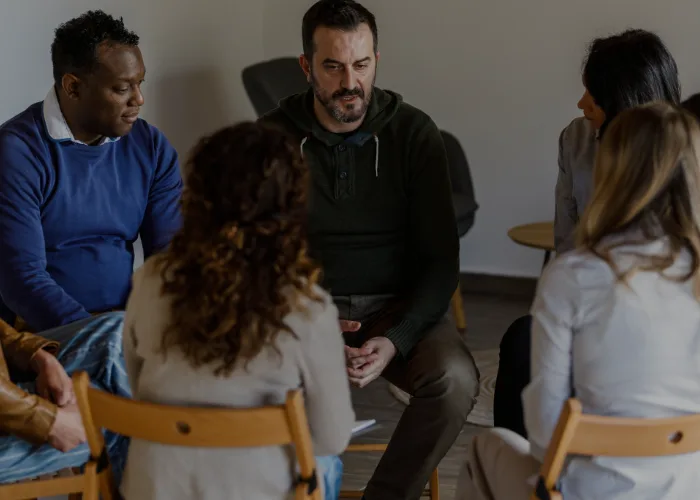
Why Healing in Community Matters for People
One of the most difficult parts of betrayal trauma is how isolating it can feel.
Many women carry immense amounts of shame, confusion, and self-doubt after discovering repeated betrayal.
They wonder if anyone else truly understands.
They question whether their reactions are normal.
They often feel alone in an experience that is, unfortunately, far more common than most people realize.
This is one of the reasons group support can be so powerful.
There is something profoundly healing about sitting with other women who understand the experience without needing lengthy explanations.
Women who know what it’s like to question everything.
Women who understand the exhaustion of hypervigilance.
Women who have experienced the grief, confusion, anger, and fear that often accompany betrayal trauma.
Healing doesn’t happen because someone tells you to move on.
Healing happens when your nervous system finally begins to experience safety, support, understanding, and connection.
You Don’t Have to White-Knuckle Your Way
If you’re struggling with hypervigilance, emotional triggers, anxiety, or the constant feeling that you can never fully relax, please know this:
Your reactions make sense.
You are not weak.
You are not dramatic.
You are not “too much.”
Your nervous system is responding to a profound rupture of trust.
And while healing takes time, you don’t have to navigate it alone.
Recovery is possible.
Not because you’ll forget what happened.
But because you can learn to feel safe again.
Safe in your body.
Safe in your decisions.
Safe in yourself.
And often, that’s where true healing begins.
Frequently Asked Questions About Betrayal Trauma
What is betrayal trauma?
Betrayal trauma occurs when a person experiences a significant breach of trust from someone they depend on emotionally, such as a spouse or long-term partner. Common causes include infidelity, serial cheating, deception, and compulsive cheating behaviors. The experience often impacts both emotional and physical well-being.
Why does betrayal trauma cause anxiety and hypervigilance?
After betrayal, the brain and nervous system often perceive the relationship as unsafe. Hypervigilance develops as a protective response, causing individuals to constantly scan for potential threats, monitor behaviors, and struggle to fully relax.
Can betrayal trauma affect the body?
Yes. Betrayal trauma is not solely an emotional experience. Many people experience sleep disturbances, racing thoughts, increased anxiety, digestive issues, difficulty concentrating, and heightened stress responses as the nervous system remains on alert.
How long does it take to heal from betrayal trauma?
Healing from betrayal trauma is highly individual, but many betrayed partners find that significant healing takes anywhere from 12 to 24 months, with some aspects of recovery continuing beyond that. Factors such as the severity of the betrayal, whether deception was ongoing, the level of accountability from the offending partner, existing trauma history, and the quality of support all influence the timeline.
Can a relationship survive after infidelity or serial cheating?
Some relationships are able to rebuild trust and create a healthier foundation after betrayal, while others do not continue. Recovery typically requires accountability, transparency, consistent effort, and support from qualified professionals experienced in betrayal trauma and relationship repair.
Is group therapy helpful for betrayal trauma?
Many betrayed partners find group therapy extremely beneficial. Connecting with others who share similar experiences can reduce feelings of isolation, normalize trauma responses, and provide emotional support during the healing process.
Women’s Healing Group for Betrayed Partners
To support women navigating betrayal trauma, I’m starting a Women’s Healing Group for partners of addicts and serial cheaters.
This group is designed to provide education, support, community, and practical tools for healing from betrayal trauma in a compassionate and understanding environment.
Tuesdays at 6:30 PM
Beginning July 21, 2026
Because healing is difficult enough.
You shouldn’t have to do it alone.
For more information, check our Women’s Healing Group Page or contact us at (818) 964-1806