

Couples Therapy & Counseling
Couples therapy helps partners rebuild trust, improve communication, and rediscover the connection that brought them together — with clinical guidance that goes beyond surface-level conflict resolution.
What is Couples Therapy & Counseling?
Relationship therapy and couples counseling is a specialized form of psychotherapy focused on the dynamic between two people — the patterns of communication, conflict, emotional intimacy, and attachment that define how a relationship functions day to day. Whether you are dating, engaged, married, or navigating a separation, couples therapy provides a structured, safe space for both partners to be heard, understood, and supported in building something healthier together.
At TrueMe® Counseling, relationship therapy is grounded in the most rigorously researched frameworks available, including the Gottman Method and Emotionally Focused Therapy (EFT). These approaches go beyond surface-level conflict resolution — they help couples identify the underlying emotional needs and attachment patterns driving their behavior, de-escalate high-conflict cycles, and develop the communication tools needed to sustain lasting change. Sessions are collaborative and active, meaning both partners receive direct guidance, honest feedback, and a concrete path forward from the very first appointment.
Couples Therapy & Counseling for Partners
Relationship therappy or couples counseling is not only for a relationship in crisis. Many partners seek therapy proactively — to strengthen an already solid foundation, navigate a major life transition, prepare for marriage, or simply learn how to communicate with more clarity and less defensiveness. Whatever brings you to the room, the goal is the same: to help you and your partner feel more connected, more understood, and more equipped to face life together.
Common signs a Couples Checkup may be for you:
- The same argument keeps happening on repeat
- Communication has broken down or become hostile
- Emotional or physical distance has grown between partners
- Trust has been broken and rebuilding feels impossible alone
If you identify with 2 or more of these, you may be a good candidate for our testing and assessment.
OUR CLINICAL APPROACH
How we treat you — and why it works
Most therapy fails because it’s generic. At TrueMe® Counseling, our licensed therapists use a structured, evidence-based framework built around your specific needs, history, and goals — not a one-size-fits-all program.Whether you’re across the street or across the state, we’re here — in person or virtually throughout California.
Clinical Assessment & Root-Cause Mapping
We begin with a thorough clinical assessment — identifying your specific challenges, personal history, thought patterns, and underlying triggers. This isn't a generic intake form. It's the diagnostic foundation that everything else is built on.
Cognitive Restructuring
Using CBT and other evidence-based modalities, we help you identify and challenge the distorted thinking patterns keeping you stuck — whether that's anxiety, depression, low self-worth, or relationship difficulties. You learn to respond to life differently, from the inside out.
Behavioral Intervention
Insight alone doesn't create change — behavior does. We use structured techniques to help you break the cycles, habits, and avoidance patterns that have been holding you back. This is where meaningful, real-world transformation begins.
Personalized Treatment Planning
No two people are the same — and neither are their treatment plans. Your therapist builds a roadmap tailored specifically to your needs, goals, and pace. Every session is purposeful, intentional, and designed to move you forward.
Progress Tracking & Plan Adjustment
Healing isn't linear — and your therapist knows that. Progress is regularly reviewed and your treatment plan is adjusted in real time to ensure you're always moving in the right direction at the right pace for you.
Resilience Building & Long-Term Independence
The final stage equips you with a personalized, lifelong toolkit — regulation strategies, early warning recognition, and sustainable coping skills — so that when life gets hard, you have everything you need to handle it. The goal is independence, not dependency on therapy.
YOUR THERAPY JOURNEY
What to expect in therapy
Starting therapy can feel intimidating — especially when you’re already carrying so much. Here’s exactly what the process looks like, step by step.
Free consultation call
Before anything else, you’ll have a brief, no-pressure call to share what you’re going through and ask any questions you have. There’s no commitment — just a conversation to make sure we’re the right fit for you.
Your first session
Your first session is a relaxed, open conversation — not a test. Your therapist will take time to understand your history, your current experience, and what you’re hoping to achieve. Many clients leave their first session already feeling a sense of relief just from being heard.
A personalized treatment plan
Your therapist will work with you to create a plan tailored specifically to your needs — not a generic program, but a personalized roadmap designed around your unique history, goals, and what you’re going through right now.
Ongoing sessions & real tools
Each session builds on the last. Using CBT and other evidence-based methods, your therapist will help you identify the thought patterns and behaviors holding you back — and equip you with practical tools you can use in real life between sessions.
Tracking your progress
Healing isn’t always linear — and your therapist knows that. Progress is regularly reviewed and your plan is adjusted as needed to ensure you’re always moving in the adirection at the right pace for you.
Life beyond anxiety
The goal of therapy isn’t just symptom relief — it’s lasting transformation. You’ll finish therapy with a deeper understanding of yourself, a toolkit you carry for life, and the confidence to face whatever comes next.
Meet Our Therapists
TrueMe® Counseling is a team of licensed MFTs and PhDs with decades of combined clinical experience.

Marina Edelman LMFT #51009
Founder of TrueMe® Counseling | Licensed Marriage & Family Therapist

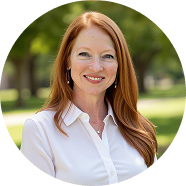
Cheryl Baldi,
LMFT #39801
Licensed Marriage & Family Therapist

Dr. Rachel Chistyakov, PsyD, LMFT #150001
Licensed Psychologist
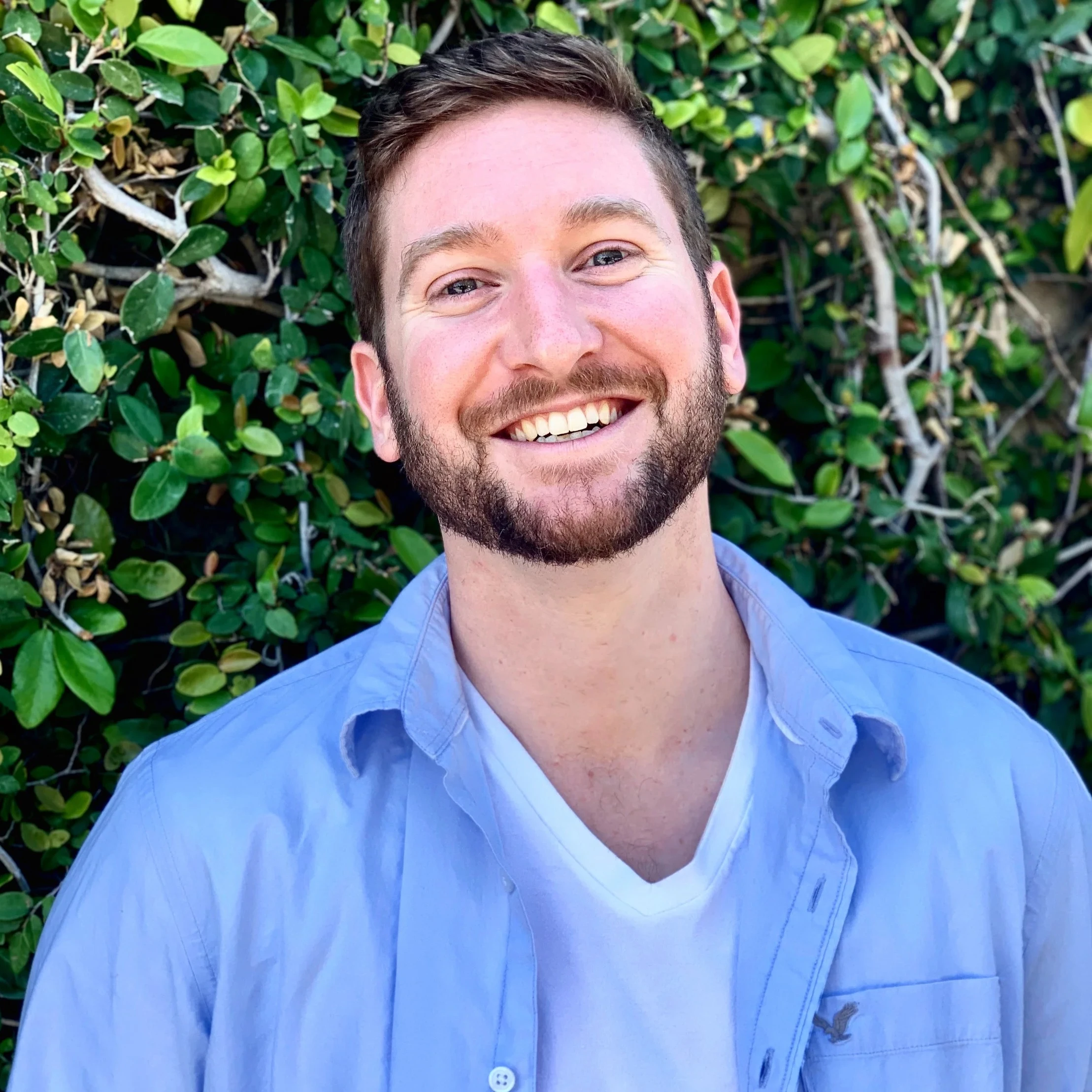
Sharalee Hall,
LMFT #135374
Licensed Marriage & Family Therapist
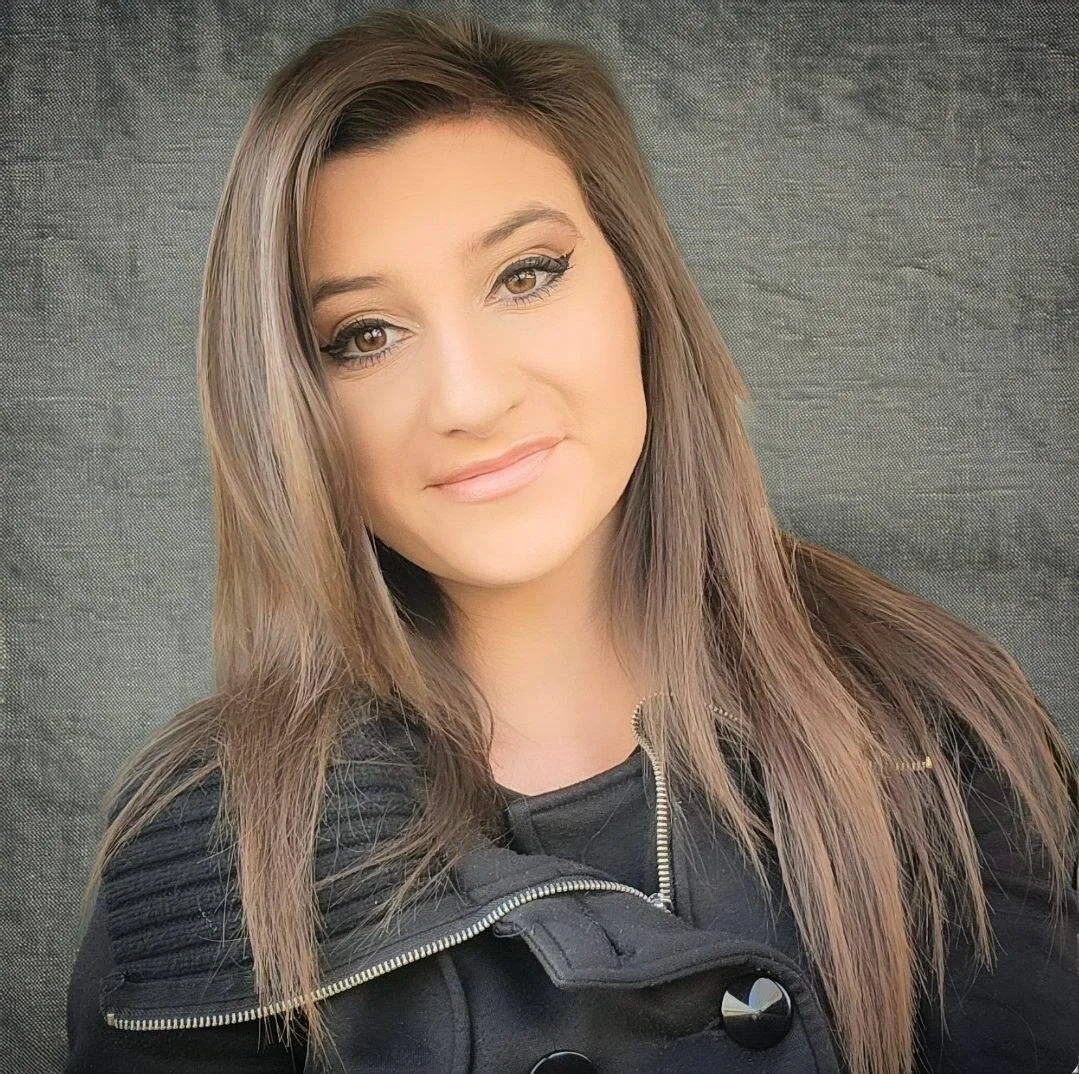
Chris Calandra, AMFT#129479
Associate Marriage & Family Therapist

Suzanne Perry,
AMFT #132904
Associate Marriage & Family Therapist
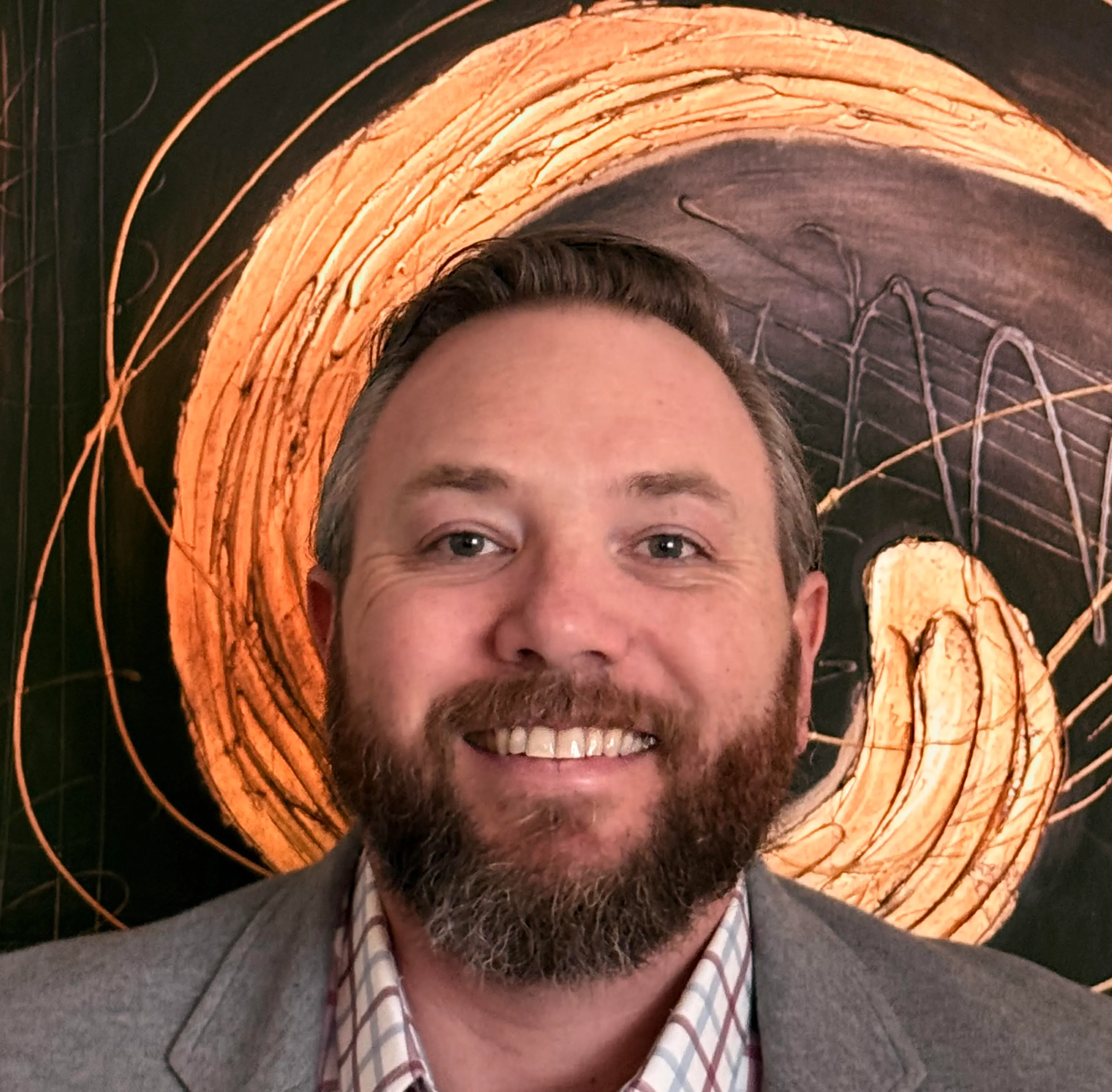
Hayley Willis, AMFT #132776
Associate Marriage & Family Therapist

Jasmine Johnson, AMFT #137660
Associate Marriage & Family Therapist

Kylee Garfield, AMFT #145651
Associate Marriage & Family Therapist
Sean Palmer, AMFT #
Associate Marriage & Family Therapist

FAQ - COUPLES THERAPY & COUNSELING
Frequently Asked Questions About Couples Therapy & Counseling
Honest answers from our licensed therapists — before you take the first step.
1. Does couples therapy actually work — and what does the research say?
Yes — and the research is genuinely compelling. The Gottman Method, which forms the clinical foundation of our couples work at TrueMe® Counseling, is backed by over four decades of research involving thousands of couples. Studies consistently show that evidence-based couples therapy produces significant improvements in relationship satisfaction, communication, and emotional connection — with outcomes that hold over time when both partners are genuinely engaged in the process.
2. What if my partner is reluctant to come to couples therapy?
This is one of the most common situations we encounter — and reluctance is understandable. If your partner is hesitant, it can help to frame therapy not as a verdict on the relationship but as an investment in it — a skilled neutral party who is there to help both of you, not to take sides. In some cases, one partner beginning individual therapy first creates enough positive change in the relational dynamic that the other becomes more open to joining.
3. Is it too late to try couples therapy — how do we know if our relationship is beyond saving?
In our clinical experience, it is almost never too late to try. What we know from research is that couples typically wait an average of six years after problems begin before seeking professional help — which means the earlier you come in, the more options and momentum you have. If both partners are willing to sit in the room and do the work, there is almost always something worth working with.
4. Can couples therapy help after an affair — or is the damage too great?
Yes — and affair recovery is one of the areas where skilled couples therapy is most transformative. Using the Gottman Trust Revival Method — Atone, Attune, and Attach — we help couples move through the initial crisis, rebuild transparency and accountability, and ultimately construct a more honest and connected relationship than existed before. Trust is not rebuilt through promises. It is rebuilt through consistent, verifiable actions over time.
5. How long does couples therapy typically take?
Couples addressing a specific, contained issue may experience meaningful progress within eight to twelve sessions. Couples navigating affair recovery or complex relational histories typically engage in longer-term work — often twelve to eighteen months of active clinical engagement for the deepest change to take hold. Your therapist will always be clear about goals and progress so the work has direction.