
Brainspotting Therapy
Brainspotting is a powerful brain-body approach that locates and processes trauma, emotional pain, and stress stored deep in the nervous system — where talk therapy alone cannot reach.
What is Brainspotting?
Brainspotting is an evidence-based, brain-body therapy developed by Dr. David Grand in 2003. It is built on a deceptively simple but clinically profound discovery: where you look affects how you feel. By identifying specific eye positions — called “brainspots” — that correspond to areas of emotional and physiological activation, Brainspotting allows therapists to access and process trauma, pain, and unresolved emotional experience stored deep in the subcortical brain — the area responsible for emotion, memory, and the body’s survival responses.
Unlike traditional talk therapy, which primarily engages the rational, language-based parts of the brain, Brainspotting works directly with the deeper neurological structures where traumatic and emotional experiences are held. This makes it particularly powerful for processing trauma that has resisted verbal approaches — experiences that feel impossible to fully articulate, that live in the body rather than the mind, or that continue to produce distress long after the conscious mind has “moved on.”
Brainspotting in TrueMe® Counseling
At TrueMe® Counseling, Brainspotting is used alongside other evidence-based modalities including EMDR, somatic therapy, and CBT — integrated into a personalized treatment plan designed around your specific history, needs, and goals. Sessions are gentle, client-led, and oriented toward creating genuine and lasting relief rather than simply managing symptoms.
Common signs Brainspotting may be for you:
- Trauma or distressing experiences that haven't resolved through talk therapy alone
- Emotional pain or stress held in the body
- Difficulty articulating or accessing traumatic experiences
- Performance anxiety or blocks in creative or professional life
If you identify with 2 or more of these, you may be a good candidate for Brainspotting.
OUR CLINICAL APPROACH
How we treat you — and why it works
Most therapy fails because it’s generic. At TrueMe® Counseling, our therapists use a structured, evidence-based framework built around your specific needs, history, and goals — not a one-size-fits-all program. Whether you’re across the street or across the state, we’re here — in person or virtually throughout California.
Understanding Where Trauma & Stress Are Stored
Sometimes painful experiences aren't fully processed through words alone. Trauma, chronic stress, anxiety, and overwhelming life events can become "stuck" in the brain and nervous system, continuing to affect how you think, feel, and respond long after the event has passed. Brainspotting helps access these deeper emotional experiences, allowing your brain's natural healing process to begin.
Finding the Brainspot
Brainspotting uses specific eye positions—called brainspots—that correspond with how your brain stores emotional experiences. Your therapist carefully guides you in identifying these points while paying close attention to your emotional and physical responses. This focused process helps access areas of the brain where unresolved trauma, distress, or emotional pain may be held.
Processing at Your Brain's Natural Pace
Unlike therapies that rely primarily on talking, Brainspotting allows your brain and body to process experiences in a deeper, more intuitive way. You don't have to have all the right words or even fully understand what you're feeling. Your therapist provides a safe, supportive environment while your brain processes what it is ready to heal—at a pace that feels manageable for you.
Supporting Regulation & Emotional Healing
As processing occurs, many people experience a reduction in emotional intensity, physical tension, and distress associated with difficult memories or triggers. Brainspotting can help improve emotional regulation, reduce anxiety, increase resilience, and create a greater sense of calm and safety within your body.
Integrated Into a Personalized Treatment Plan
Brainspotting is never a one-size-fits-all intervention. Your therapist carefully determines whether it's appropriate for your goals and clinical needs, integrating it with other evidence-based approaches when beneficial. Throughout treatment, we monitor your progress and adjust your therapy to ensure you're supported every step of the way.
Helping You Move Forward with Greater Freedom
Our goal isn't simply to reduce symptoms—it's to help you experience lasting emotional healing. Whether you're seeking relief from trauma, anxiety, grief, performance blocks, or other overwhelming experiences, Brainspotting can help you process what has been holding you back so you can move through life with greater resilience, clarity, and emotional freedom.
YOUR THERAPY JOURNEY
What to expect in therapy
Starting therapy can feel intimidating — especially when you’re already carrying so much. Here’s exactly what the process looks like, step by step.
Free consultation call
Before anything else, you’ll have a brief, no-pressure call to share what you’re going through and ask any questions you have. There’s no commitment — just a conversation to make sure we’re the right fit for you.
Your first session
Your first session is a relaxed, open conversation — not a test. Your therapist will take time to understand your history, your current experience, and what you’re hoping to achieve. Many clients leave their first session already feeling a sense of relief just from being heard.
A personalized plan
Your therapist will work with you to create a plan tailored specifically to your needs — not a generic program, but a personalized roadmap designed around your unique history, goals, and what you’re going through right now.
Ongoing sessions & real tools
Each session builds on the last. Using CBT and other evidence-based methods, your therapist will help you identify the thought patterns and behaviors holding you back — and equip you with practical tools you can use in real life between sessions.
Tracking your progress
Healing isn’t always linear — and your therapist knows that. Progress is regularly reviewed and your plan is adjusted as needed to ensure you’re always moving in the adirection at the right pace for you.
Life beyond therapy
The goal of therapy isn’t just symptom relief — it’s lasting transformation. You’ll finish therapy with a deeper understanding of yourself, a toolkit you carry for life, and the confidence to face whatever comes next.
Meet Our Therapists
TrueMe® Counseling is a team of licensed MFTs and PhDs with decades of combined clinical experience.

Marina Edelman
Founder | Licensed Marriage & Family Therapist #51009

Cheryl Baldi
Licensed Marriage & Family Therapist #39801

Dr. Rachel Chistyakov
Doctor of Psychology | Licensed Marriage & Family Therapist #150001
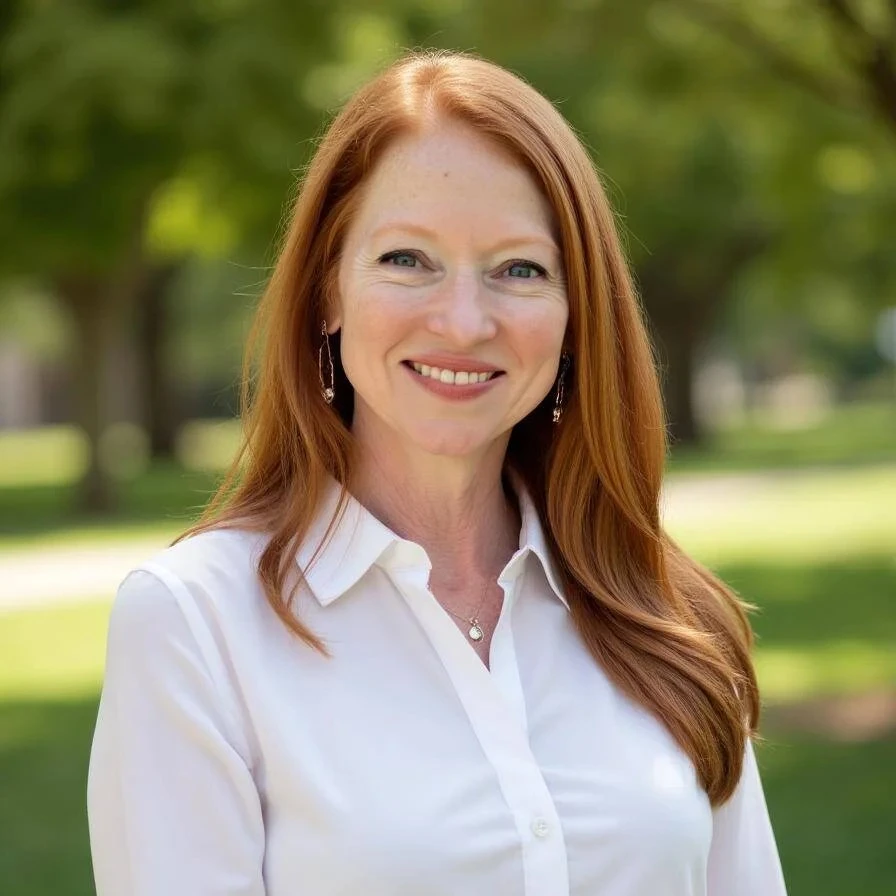
Sharalee Hall
Licensed Marriage & Family Therapist #135374

Chris Calandra
Licensed Marriage & Family Therapist #164783

Suzanne Perry
Licensed Marriage & Family Therapist #163151

Hayley Willis
Licensed Marriage & Family Therapist #163642

Jasmine Johnson
Associate Marriage & Family Therapist #137660

Sean Palmer
Associate Marriage & Family Therapist #161917

Ashleigh Abramovici
Associate Marriage & Family Therapist #155333
FAQ - BRAINSPOTTING THERAPY
Frequently Asked Questions About Brainspotting
Honest answers from our therapists — before you take the first step.
1. How is Brainspotting different from EMDR?
Both Brainspotting and EMDR are brain-body approaches to trauma processing, and both are significantly more effective for many clients than talk therapy alone. The primary difference is in how they work. EMDR uses bilateral stimulation — typically guided eye movements — to activate the brain’s natural processing mechanisms. Brainspotting works by identifying and holding a specific eye position that corresponds to a point of neurological activation, creating a sustained, focused processing window. Many clients find Brainspotting gentler and less directive than EMDR — it requires less verbal engagement and follows the client’s internal experience rather than a structured protocol. Both are available at TrueMe® Counseling, and your therapist will help determine which approach is the best fit for your specific presentation.
2. What does a Brainspotting session actually feel like?
Brainspotting sessions are quiet, client-led, and often profoundly internal. After identifying a relevant issue or emotional activation, your therapist will guide your eye gaze to a specific position and hold it there while you process what arises. Sessions often involve bilateral sound — music delivered through headphones — which supports the brain’s processing. Clients frequently report physical sensations, emotional releases, spontaneous memories, or a gradual sense of the activation releasing and settling. There is no pressure to talk through what is arising — your nervous system does the processing. Many clients describe Brainspotting as one of the most powerful therapeutic experiences they have had, precisely because it accesses things that years of talking about them could not.
3. Is Brainspotting safe — and are there any side effects?
Brainspotting is considered a safe, well-tolerated therapeutic approach when delivered by a trained clinician. Because it accesses deep neurological material, some clients experience a temporary intensification of emotions or physical sensations during or after a session — a normal and expected part of the processing that typically settles within 24 to 48 hours. Your therapist will prepare you for what to expect, provide grounding and stabilization tools, and ensure that sessions are paced appropriately for where you are. Brainspotting is always delivered within a clinically informed, relationally safe context — never in isolation from the broader therapeutic relationship.
4. Can Brainspotting be used alongside other forms of therapy?
Yes — and at TrueMe® Counseling, it almost always is. Brainspotting works particularly well in combination with CBT, somatic therapy, EMDR, and talk therapy approaches, each addressing different dimensions of the same presenting concern. For example, CBT may be used to address the cognitive patterns maintaining anxiety, while Brainspotting processes the underlying neurological activation driving it. Your therapist will integrate Brainspotting thoughtfully within a broader treatment plan — using it where it is most likely to be effective and combining it with other approaches to address the full clinical picture.
5. How many Brainspotting sessions will I need?
The number of sessions varies significantly depending on the nature and complexity of what you are bringing to treatment. Some clients experience meaningful shifts within two to four sessions for a specific, contained issue. Others engage in longer-term Brainspotting work as part of a broader therapeutic approach, particularly when there are multiple layers of trauma or a complex history to process. At TrueMe® Counseling, Brainspotting is always integrated within a personalized treatment plan — meaning the frequency and duration of sessions is calibrated to your specific needs and adjusted as the work progresses.