PHOBIA | CALIFORNIA
A phobia is not a personality trait. It is a learned fear response — and it can be unlearned.
TrueMe® Counseling’s phobia specialists use Exposure and Response Prevention, CBT, and evidence-based techniques to help you face what fear has made you avoid — and reclaim the freedom, relationships, and life it has quietly taken from you. Book your free 20-minute consultation today.
WHAT IS PHOBIA?
Understanding phobia — and why can't people just push through it on their own?
A phobia is an intense, persistent, and disproportionate fear of a specific object, situation, or activity — one that reliably triggers an immediate anxiety response and results in significant avoidance. It is not timidity, weakness, or irrationality. It is a specific neurological learning: the brain has formed a powerful association between a stimulus and danger, and it responds accordingly, even when the conscious mind knows the threat is not real.
This is precisely why telling someone with a phobia to “just push through it” so rarely works. Avoidance is not a failure of willpower — it is a nervous system trained to treat a specific stimulus as an emergency. Each successful avoidance episode provides short-term relief that reinforces the fear at the neurological level, making the phobia stronger and the avoidance more entrenched over time.
At TrueMe®, we treat phobias using the approach the research consistently shows to be most effective: graduated, structured exposure therapy — systematically helping the nervous system unlearn the fear association in a safe, supported, and clinically guided environment. The results are often remarkably fast, and they last.
"The fear is real. The danger usually is not. Our work is to help the nervous system learn — at a level deeper than conscious thought — what the mind already knows: that the thing it fears will not destroy it. That distinction, experienced rather than understood, is where phobia treatment works."
— TrueMe® Counseling
"The fear is real. The danger usually is not. Our work is to help the nervous system learn — at a level deeper than conscious thought — what the mind already knows: that the thing it fears will not destroy it. That distinction, experienced rather than understood, is where phobia treatment works."
— TrueMe® Counseling
OUR EXPERT THERAPISTS TREAT THESE TYPES OF PHOBIA
Phobia can take on many forms — all of them deserve specialist treatment
Phobias span an enormous range of triggers and presentations. What they share is the same underlying mechanism — and the same evidence-based treatment. Here are the phobia types we treat at TrueMe®.

Specific Phobias
Intense, disproportionate fear of a specific object or situation — including animals (spiders, dogs, insects), natural environments (heights, water, storms), medical (needles, blood, vomiting), and situational (flying, driving, enclosed spaces).
Social Phobia (Social Anxiety Disorder)
An intense fear of social situations in which scrutiny, judgment, or embarrassment feels possible — driving avoidance of interactions, performances, or events that most people navigate with ease, and profoundly restricting career, relationships, and daily life.
Agoraphobia
Fear of situations from which escape might be difficult or help unavailable — open spaces, crowds, public transport, or being away from home — often developing after panic attacks, and progressively restricting the world to a smaller and smaller radius.
Health & Medical Phobias
Fear of needles, blood, vomiting, illness, or medical procedures — leading to avoidance of essential healthcare and significant physical health consequences that compound over time.
Nature & Environmental Phobias
Disproportionate fear of heights, water, storms, darkness, or other natural phenomena — restricting travel, outdoor activities, and daily life in ways that feel increasingly shameful the longer they continue unchallenged.
Phobia & Co-Occurring Anxiety or OCD
Phobias frequently co-occur with generalized anxiety, OCD, and other anxiety disorders — requiring a clinician who can accurately distinguish between them and treat each component with precision, not a one-size approach.fe, seen, or valued by those who were supposed to provide it.
SIGNS YOU MAY NEED THERAPY
Most Common Phobia Symptoms
Phobias are often dismissed as minor quirks — until you look at how much of daily life is quietly organized around avoiding a single trigger. Here are the signs across three dimensions.
- Immediate, intense anxiety response on encountering the phobic stimulus
- Heart racing, chest tightening, or shortness of breath in response to the feared trigger
- Sweating, trembling, dizziness, or nausea in phobic situations
- Full panic attacks triggered by the phobic stimulus or the anticipation of encountering it
- Vasovagal response (fainting) in blood-injection-injury type phobias
- Physical tension and hypervigilance in situations where the stimulus might appear
- Chronic low-level anxiety produced by the ongoing effort of monitoring and avoiding
- Exhaustion from the physiological cost of sustained fear and avoidance
- Catastrophic thinking about what will happen if the phobic stimulus is encountered
- Overestimation of the probability and severity of harm from the feared trigger
- Anticipatory anxiety — the phobia generating dread long before any actual encounter
- Intrusive mental images of feared scenarios involving the phobic stimulus
- Shame and self-criticism about the irrationality of the fear
- Reasoning that feels compelling in the moment but is recognized as distorted afterward
- Mental planning and scanning to anticipate and avoid encountering the feared stimulus
- Belief — despite evidence — that encountering the stimulus would be genuinely catastrophic
- Organizing travel, social plans, and daily routines around avoidance of the phobic trigger
- Declining professional opportunities, travel, or social invitations due to phobia
- Avoiding necessary medical or dental care due to health-related phobias
- Restricting diet, activities, or environments to prevent possible encounters
- Secondary shame and social embarrassment about the phobia itself
- Dependence on others to manage phobic situations on your behalf
- Progressive narrowing of life as avoidance expands to cover more triggers
- Secondary depression from the cumulative losses that phobia-driven avoidance produces
You don't have to figure this out alone. Let's talk.
OUR CLINICAL APPROACH
How we treat you — and why it works
Most therapy fails because it’s generic. At TrueMe® Counseling, our therapists use a structured, evidence-based framework built around your specific needs, history, and goals — not a one-size-fits-all program. Whether you’re across the street or across the state, we’re here — in person or virtually throughout California.
Understanding the Fear Behind the Phobia
A phobia is more than simply being afraid of something. It can trigger intense anxiety, avoidance, and physical symptoms that interfere with your daily life. Whether your fear involves flying, driving, heights, animals, needles, public speaking, or another specific situation, we begin by understanding how your phobia developed, what triggers it, and how it's affecting your life.
Breaking the Cycle of Fear and Avoidance
Avoiding what you fear may bring temporary relief, but it often strengthens the phobia over time. Together, we'll identify the situations, thoughts, and behaviors that keep the fear alive. Understanding this cycle helps you gradually regain control instead of allowing fear to make your decisions.
Changing How You Respond to Fear
The goal of therapy isn't to force you into frightening situations—it's to help you respond differently to them. Using evidence-based approaches such as Exposure Therapy, Cognitive Behavioral Therapy (CBT), Acceptance and Commitment Therapy (ACT), and other clinically appropriate interventions, we help you reduce anxiety, challenge unhelpful beliefs, and build confidence through gradual, manageable steps.
Building Confidence One Step at a Time
Overcoming a phobia is a process, not a race. We work at a pace that feels safe while gently encouraging progress. As you build new experiences of success, your confidence grows, your fear becomes more manageable, and situations that once felt impossible begin to feel achievable.
A Treatment Plan Tailored to Your Needs
Every phobia is different because every person's experience is different. Your therapist develops an individualized treatment plan based on the nature of your fear, your personal history, your goals, and your comfort level. Throughout therapy, we continually adjust your treatment to ensure it remains effective, supportive, and aligned with your progress.
Helping You Live with More Freedom
Our goal isn't simply to reduce fear—it's to help you reclaim the parts of life your phobia has limited. Whether it's traveling, pursuing career opportunities, attending social events, receiving medical care, or enjoying everyday experiences, therapy equips you with the skills and confidence to move forward without fear defining your choices.
YOUR THERAPY JOURNEY
What to expect in therapy
Starting therapy can feel intimidating — especially when you’re already carrying so much. Here’s exactly what the process looks like, step by step.
Free consultation call
Before anything else, you’ll have a brief, no-pressure call to share what you’re going through and ask any questions you have. There’s no commitment — just a conversation to make sure we’re the right fit for you.
Your first session
Your first session is a relaxed, open conversation — not a test. Your therapist will take time to understand your history, your current experience, and what you’re hoping to achieve. Many clients leave their first session already feeling a sense of relief just from being heard.
A personalized plan
Your therapist will work with you to create a plan tailored specifically to your needs — not a generic program, but a personalized roadmap designed around your unique history, goals, and what you’re going through right now.
Ongoing sessions & real tools
Each session builds on the last. Using CBT and other evidence-based methods, your therapist will help you identify the thought patterns and behaviors holding you back — and equip you with practical tools you can use in real life between sessions.
Tracking your progress
Healing isn’t always linear — and your therapist knows that. Progress is regularly reviewed and your plan is adjusted as needed to ensure you’re always moving in the adirection at the right pace for you.
Life beyond therapy
The goal of therapy isn’t just symptom relief — it’s lasting transformation. You’ll finish therapy with a deeper understanding of yourself, a toolkit you carry for life, and the confidence to face whatever comes next.
Meet Our Therapists
TrueMe® Counseling is a team of licensed MFTs and PhDs with decades of combined clinical experience.

Marina Edelman
Founder | Licensed Marriage & Family Therapist #51009

Cheryl Baldi
Licensed Marriage & Family Therapist #39801

Dr. Rachel Chistyakov
Doctor of Psychology | Licensed Marriage & Family Therapist #150001

Sharalee Hall
Licensed Marriage & Family Therapist #135374
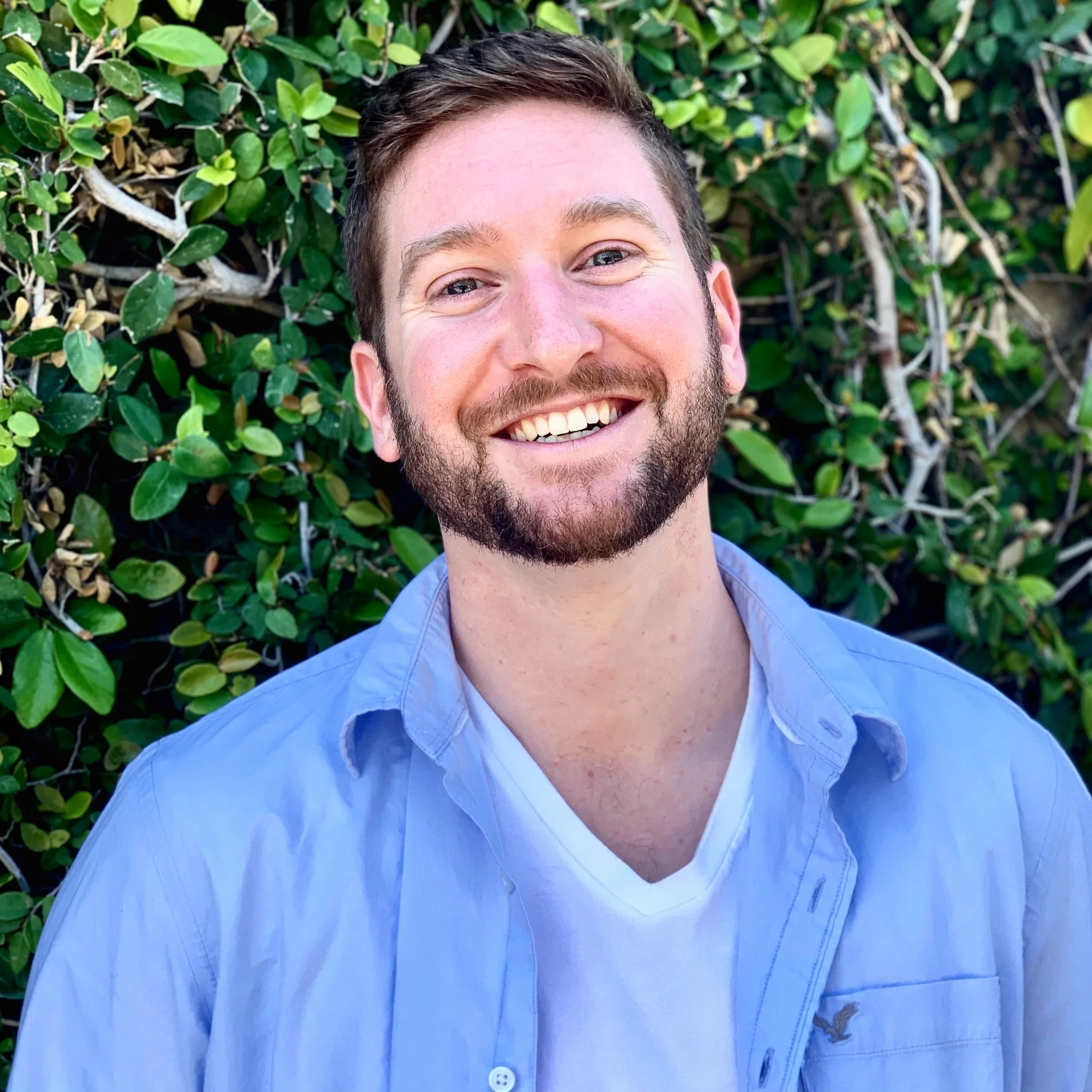
Chris Calandra
Licensed Marriage & Family Therapist #164783

Suzanne Perry
Licensed Marriage & Family Therapist #163151

Hayley Willis
Licensed Marriage & Family Therapist #163642

Jasmine Johnson
Associate Marriage & Family Therapist #137660

Sean Palmer
Associate Marriage & Family Therapist #161917
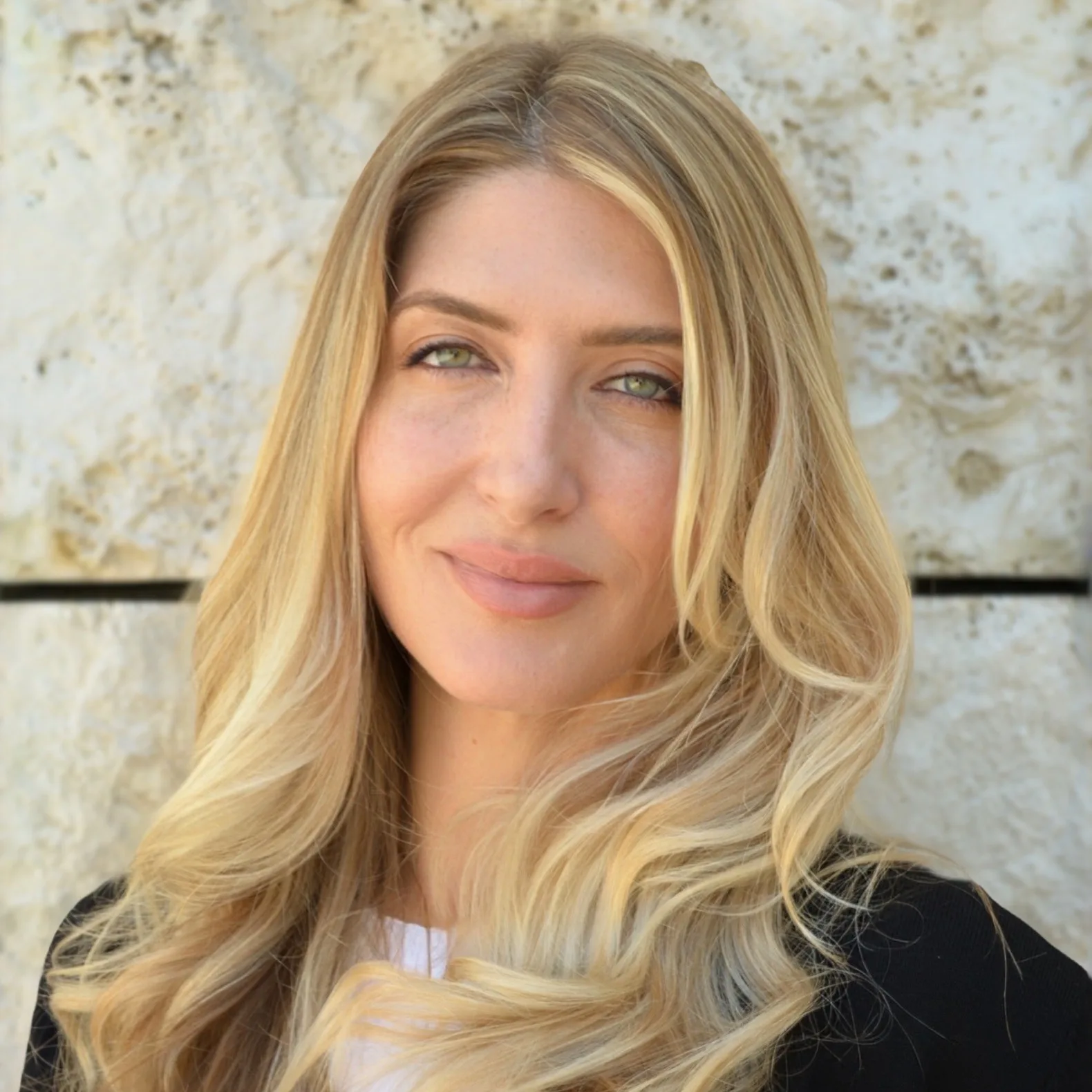
Ashleigh Abramovici
Associate Marriage & Family Therapist #155333
FAQ - PHOBIA
Frequently Asked Questions About Phobia
Honest answers from our therapists — before you take the first step.
1. Will exposure therapy mean I have to confront my phobia immediately?
No — and this is the most common misconception about phobia treatment, and one that stops many people from seeking the help that could genuinely change their lives. Exposure therapy at TrueMe® is graduated, collaborative, and entirely paced around what you can tolerate. Before any exposure begins, you and your therapist construct a fear hierarchy together — a personalized ladder of situations ranging from mildly uncomfortable to most feared.
Treatment starts at the bottom of that hierarchy and moves upward only when you are ready. The goal at each step is not the elimination of anxiety — it is learning to tolerate it without avoidance, until the nervous system updates its threat assessment and the anxiety naturally reduces. Nobody is thrown in the deep end. The pace is yours. The process is collaborative. And the results — when the treatment is delivered well — are often remarkable.
2. How quickly does phobia treatment work?
Specific phobias are among the fastest-responding conditions in all of mental health treatment. Many specific phobias can be treated effectively in as few as 4 to 8 sessions of graduated exposure therapy — with significant symptom reduction often noticeable within the first few sessions of active exposure work. This is one of the most striking findings in the phobia treatment literature, and it holds across a wide range of phobia types.
Social phobia and agoraphobia typically require longer treatment — reflecting their greater complexity, broader range of triggers, and frequent co-occurrence with panic and generalized anxiety. Most clients with social phobia or agoraphobia see meaningful improvement within 12 to 20 sessions of specialist CBT and exposure treatment. Individual variation exists — but phobia is emphatically not a lifelong sentence. The prognosis for people who engage with evidence-based treatment is excellent.
3. What is the difference between a phobia and ordinary fear or anxiety?
Fear is a normal, adaptive response to genuine threat. Ordinary anxiety about flying, spiders, or public speaking is common and does not constitute a phobia. What distinguishes a phobia clinically is the combination of disproportionality, immediacy, persistence, and impairment. The fear is markedly out of proportion to the actual danger. It triggers immediately and reliably on encountering the stimulus. It has persisted for at least six months. And — most importantly — it produces significant impairment or distress: avoidance that affects daily life, relationships, work, or health.
A useful self-test: has the fear caused you to change your behavior, decline opportunities, or organize your life in ways that you would not choose if the fear were not present? If yes — and especially if you have tried to face it and found that the anxiety is overwhelming rather than manageable — that is the threshold at which specialist treatment is warranted and effective. The distinction between “normal nervousness” and a phobia is ultimately functional: it is about what the fear costs you.
4. Can a phobia come back after treatment — and what happens if they do?
Fear responses can return — particularly after a period of avoidance, or following a stressful encounter with the feared stimulus. This is called a spontaneous recovery or return of fear, and it is a normal feature of how fear learning works neurologically. It does not mean treatment failed. It means the exposure process needs to continue — and crucially, a second round of exposure after return of fear is typically far faster and easier than the original treatment.
At TrueMe®, relapse prevention is built into every phobia treatment plan. Clients leave therapy understanding exactly why return of fear happens, how to recognize it early, and what to do when it occurs — which is to re-engage with exposure rather than retreat into avoidance. The skills learned in treatment do not disappear. The nervous system’s updated learning remains. A brief return of anxiety is not the return of the phobia — it is a moment that calls for the same response that worked before.
5. I've had my phobia for decades. Is it too late to treat it?
It is not too late. The duration of a phobia is not a reliable predictor of treatment response. The research literature consistently shows that exposure-based treatment is effective regardless of how long the phobia has been present — and clinical experience bears this out. People who have lived with a phobia for twenty or thirty years respond to well-delivered exposure therapy at rates comparable to those who have had the phobia for a shorter time.
What a longer duration does mean is that the avoidance behaviors are typically more entrenched, the life organized more thoroughly around the phobia, and the shame of having “let it go this long” more pronounced. All of these are things we address directly in treatment — the shame, the entrenched avoidance, and the sometimes daunting task of imagining a life reorganized around freedom rather than fear. The nervous system remains plastic throughout life. Phobia treatment works at any age, at any duration. The only prerequisite is the willingness to try.